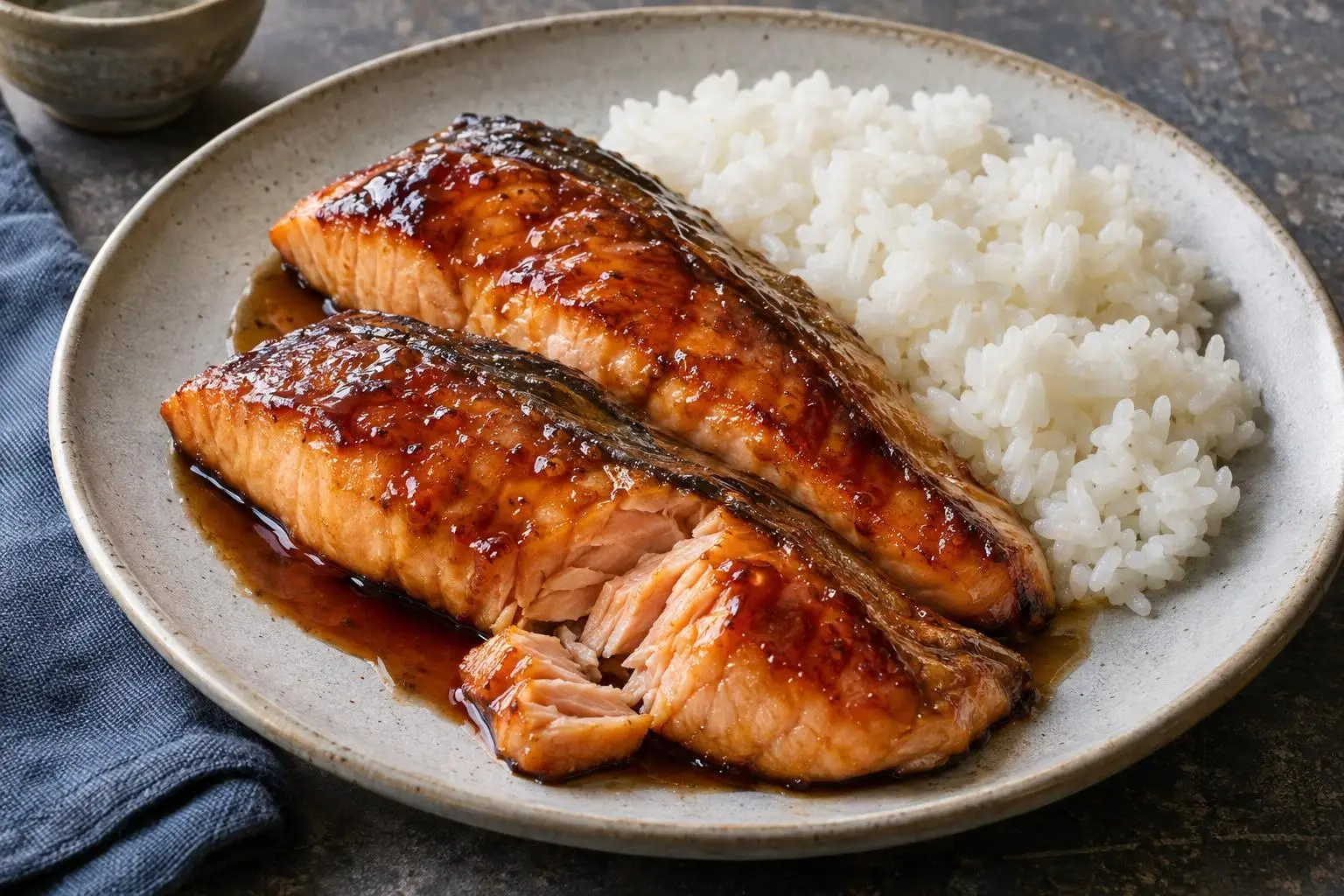
Teriyaki salmon with a glossy soy–mirin glaze
Pan-seared salmon finished in a thin, glossy Japanese soy, mirin and sake glaze. Gentle simmering keeps the fish moist, while a separate final reduction prevents overcooking.
Advert
Let’s get cooking.
Cook mode
Scale servings, tick off ingredients, and run step timers without losing your place.
Servings
Originally developed for 2 servings.
Ingredient checklist
Method
- No timer needed
Check the salmon for pin bones and pat all surfaces thoroughly dry with kitchen paper. Do not salt it separately. Mix the soy sauce, mirin, sake, sugar and 15 ml water in a small jug until the sugar is mostly dissolved.
- 04:30
Heat the frying pan over medium heat for about 2 minutes. While it heats, wash your hands and clean anything that contacted raw fish; set out a clean plate for the cooked salmon. Add the oil and lay the fillets skin-side down, away from you. Press gently with the fish slice for 20–30 seconds, then cook undisturbed for a further 4–5 minutes, until the skin releases readily and the flesh is turning opaque up the sides. Lower the heat if the skin darkens too quickly.
- 02:00
Turn the salmon carefully, supporting each whole fillet, and cook flesh-side down for about 2 minutes. While this side cooks, start heating the rice according to its pouch instructions. Keep the heated rice covered until serving.
- 03:00
Turn the heat low and briefly move the pan off the hob. Spoon away pooled salmon fat, leaving only a thin film, then carefully pour the mixed glaze around the fish; it may spit. Return to medium-low heat and bring to a gentle simmer. Retrieve and cover the rice as the sauce comes to a simmer. Simmer the fish for 1–3 minutes, spooning sauce over it. Check the thickest centre: the flesh should be opaque and separate easily into moist flakes. With a probe, check that the centre reaches 75°C and stays there for 30 seconds. Remove each cooked fillet to the clean plate immediately; thicker pieces may need longer at gentle heat.
- 02:00
If the glaze is still thin, simmer it without the fish for about 2 minutes, checking sooner and watching continuously towards the end. Stop when approximately 40–50 ml remains and it lightly coats a spoon: the bubbles become larger and a spatula trail closes slowly. It should remain pourable and will thicken further off the heat. If already thick enough, skip this reduction. If too thick but not burnt, loosen with water, 5 ml at a time.
- No timer needed
Turn off the heat. Return the salmon to the glaze for about 15 seconds and spoon it over the top, without prolonged cooking. Divide the rice, if using, between two plates, add the salmon and spoon over the remaining glaze. Serve immediately.
Chef tips
- Use fillets about 2.5 cm thick for the suggested cooking stages. Pieces thicker than 3 cm need longer gentle cooking; do not raise the heat to hurry them.
- A crowded pan steams the fish, while a much wider pan evaporates this small sauce quantity too quickly. For four portions, use two suitable pans.
- If the skin resists turning, give it a little longer to release and support the entire fillet with a broad fish slice.
- Remove cooked salmon before reducing a watery glaze. Keeping it in the pan until the sauce thickens can dry it out.
- For an overly salty glaze, add a little water and serve less sauce rather than reducing it again. A scorched, bitter glaze must be discarded and replaced; dilution will not fix it.
- The timeline allows 2 minutes for heating the optional rice. Follow the actual pouch instructions if they require longer.
Equipment check
- 24 cm non-stick frying pan with room for both fillets without touching
- Broad fish slice
- Small measuring jug and measuring spoons
- Kitchen paper
- Spoon
- Clean plate for cooked fish and two serving plates
- Digital probe thermometer
- Microwave, if required by the rice pouch
Tags
Behind the dish.
Overview
The goal is moist, flaking salmon with browned skin and a sweet-savoury glaze that flows slowly rather than setting like toffee. Sear first, simmer gently in the sauce, then remove the cooked fish before finishing the reduction. The glazed skin will be browned, but not persistently crisp.
Ingredient notes
Use chilled, fully thawed fillets of similar thickness. Frozen salmon needs thawing in the fridge beforehand. Ordinary Japanese soy sauce suits this glaze; dark Chinese soy sauce and sweet soy sauce do not give the same result. Reduced-salt soy sauce is usable, but do not reduce it excessively to strengthen the seasoning.
Hon-mirin supplies sweetness and body. If using a noticeably sweeter mirin-style seasoning, start with 4 g rather than 8 g caster sugar. Choose unsalted drinking sake: salted cooking sake can make the glaze too salty. Replace the sake with 30 ml water if necessary, accepting a less aromatic sauce. Brief simmering does not reliably remove all alcohol.
Allergens: fish, soya and usually wheat in standard soy sauce. For a gluten-free version, use labelled gluten-free tamari and check the mirin, sake and rice labels too.
Serving & storage
Serve immediately with the plain rice, dividing the glaze between both portions. The rice may be omitted; no garnish is needed.
Cool leftover salmon and glaze promptly in shallow portions and refrigerate within 2 hours at 5°C or colder. Use within 48 hours or freeze sooner. Reheat only once until steaming hot throughout, using gentle covered heat and a splash of water to limit drying.
For rice, follow the pouch instructions and any shorter storage limits. Cool leftovers as quickly as possible, ideally within 1 hour, refrigerate and use within 24 hours. Reheat only once until steaming hot throughout; do not reheat leftover pouch rice that has already been reheated once.
Related recipes
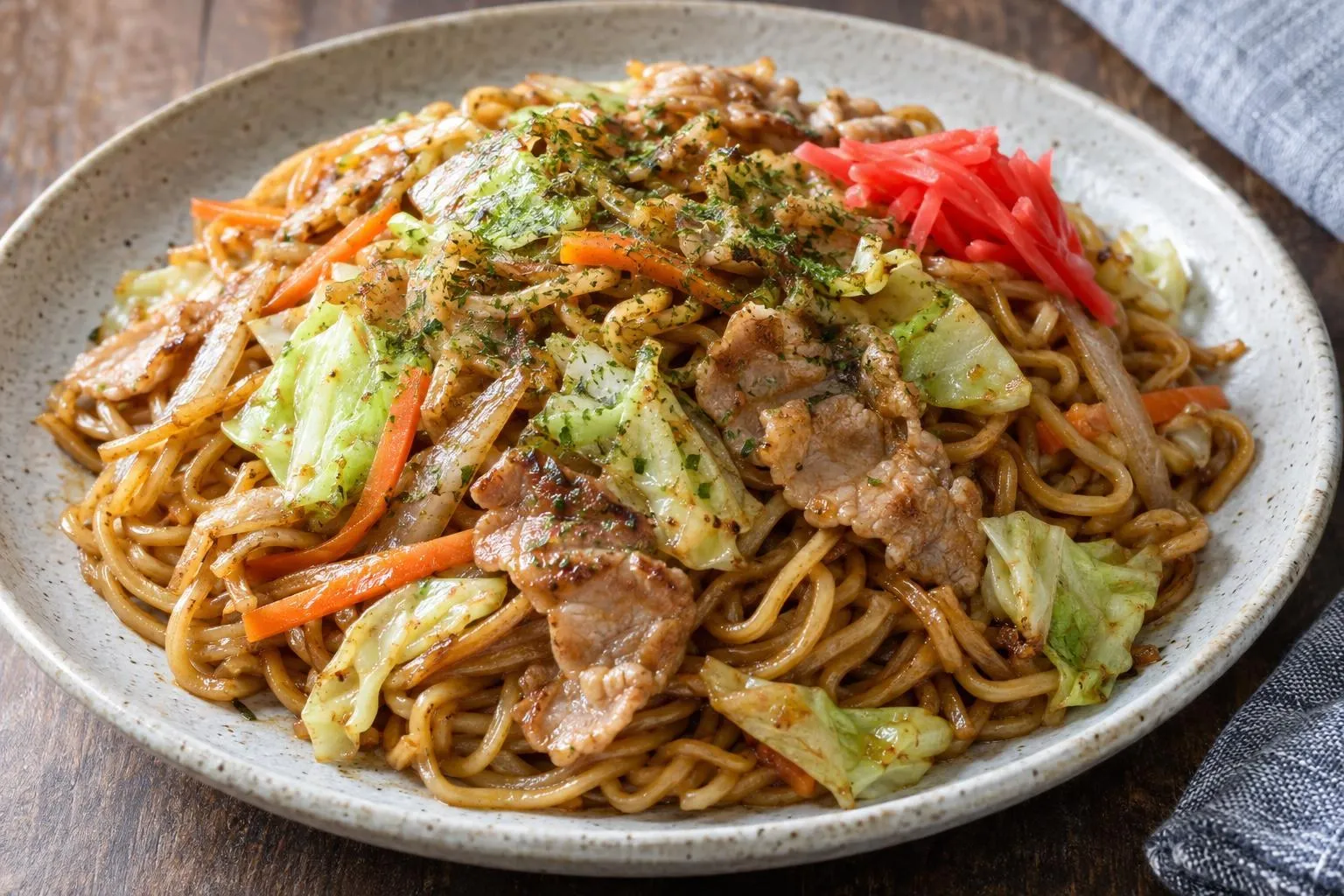
Yakisoba with Pork and Cabbage
◷ 42 mineasy
Springy wheat noodles, thinly sliced pork and cabbage with a little bite, tossed in a tangy-savoury yakisoba sauce. Cooking two separate portions keeps a domestic frying pan hot enough to fry rather than steam.
Oct 17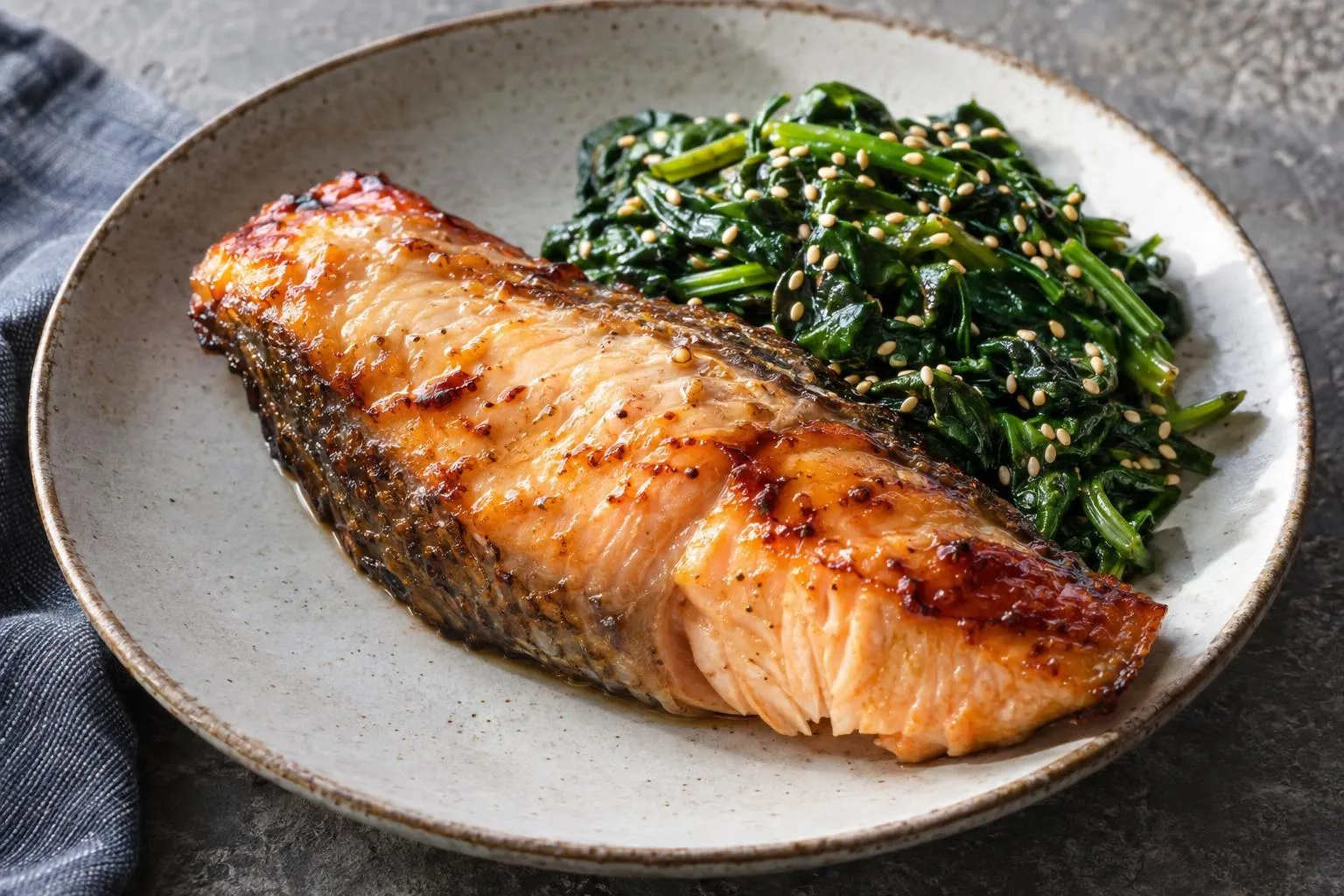
Miso-glazed salmon with sesame greens
◷ 30 mineasy
Moist, gently flaking salmon with a thin, glossy miso glaze, served with tender sesame spinach. Adding the glaze towards the end of roasting gives light caramelisation without scorching the miso.
Oct 6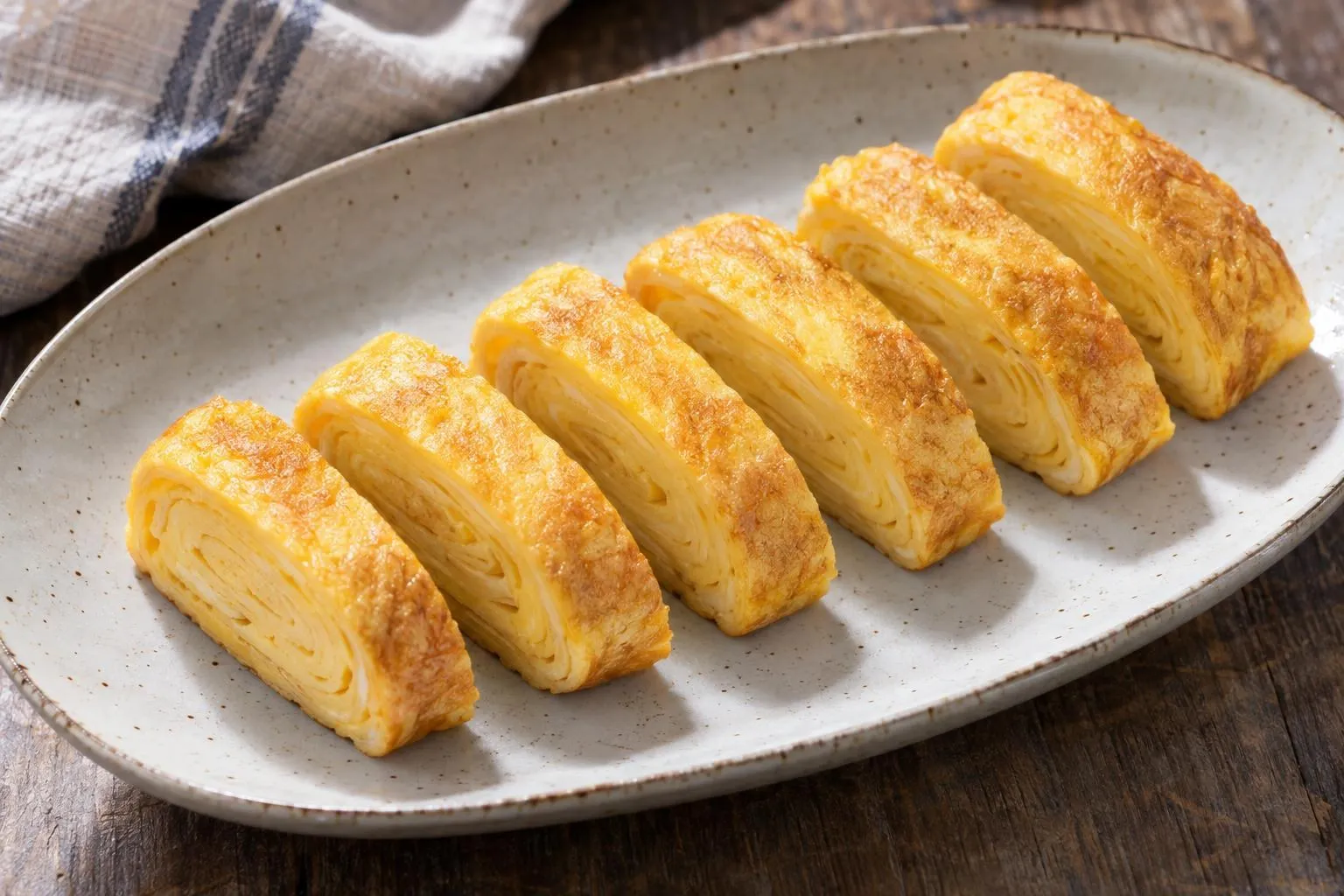
Tamagoyaki in a Round Pan
◷ 23 minmedium
A gently sweet-savoury Japanese rolled omelette with tender, fully cooked folds. Four thin layers are cooked and rolled in a regular nonstick frying pan, then cut into thick slices.
Oct 3