Yakisoba with Pork and Cabbage
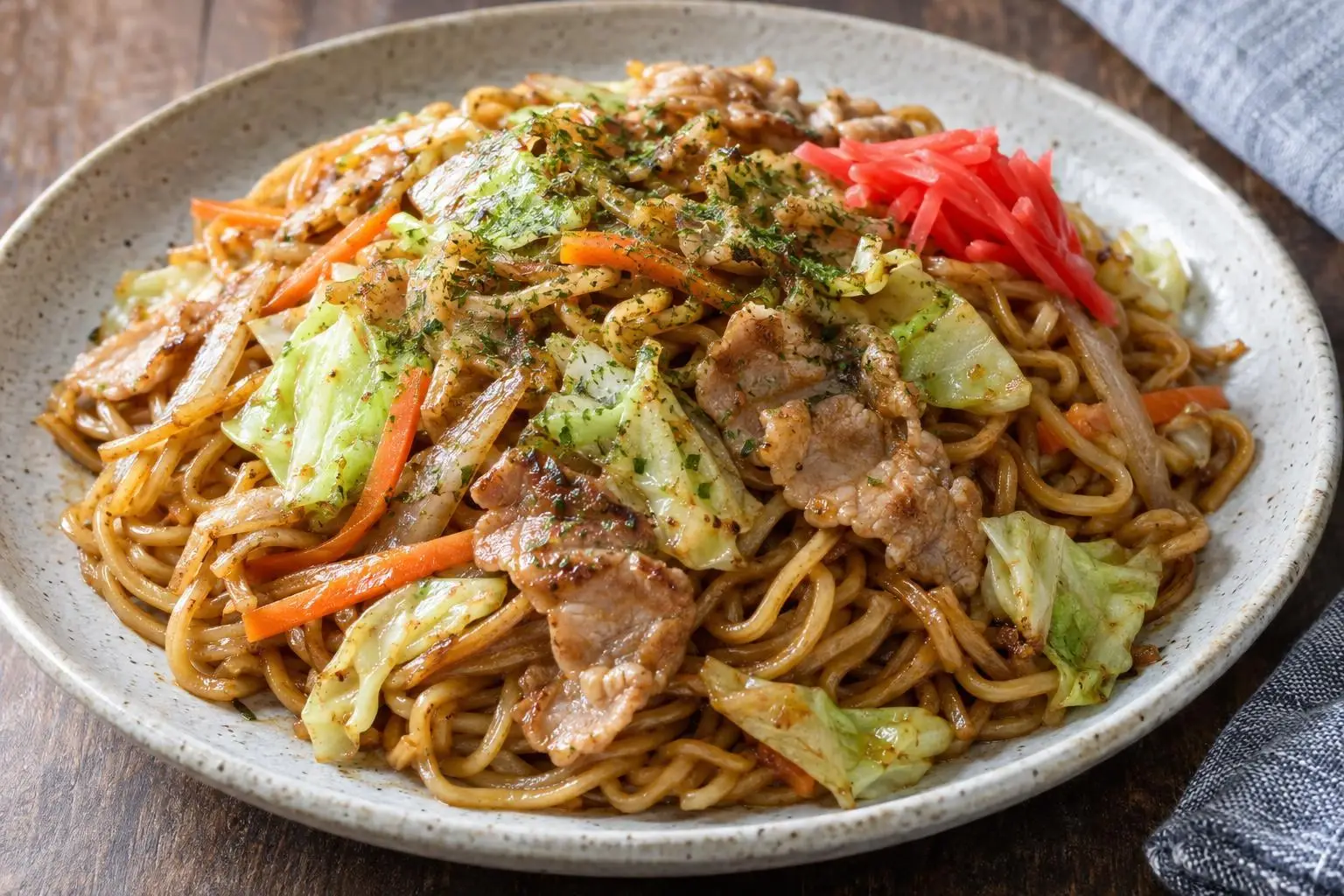
Springy wheat noodles, thinly sliced pork and cabbage with a little bite, tossed in a tangy-savoury yakisoba sauce. Cooking two separate portions keeps a domestic frying pan hot enough to fry rather than steam.
Advert
Let’s get cooking.
Cook mode
Scale servings, tick off ingredients, and run step timers without losing your place.
Servings
Originally developed for 2 servings.
Ingredient checklist
Method
- No timer needed
Mix the Worcestershire sauce, ketchup, oyster sauce, light soy sauce and sugar until the sugar dissolves; divide equally between two bowls. Cut the cabbage into 3 cm pieces, thinly slice the onion and cut the carrot into 3 mm matchsticks. Divide each vegetable into two equal piles.
- No timer needed
On a separate board, slice the pork across the grain, 2–3 mm thick, and divide into two 100 g portions. Wash your hands and clean the knife and raw-meat work area. Keep raw pork and its utensils separate from the cooked-pork plate and serving garnishes. If using frozen pork, thaw it fully in the fridge before starting.
- No timer needed
Warm the noodles according to their packet instructions—approximately 2 minutes in the microwave for the product assumed here. While they warm, warm two serving plates with hot tap water and dry them. Gently loosen the noodles and divide equally; do not pull apart a cold compact block. Heat the frying pan over medium-high heat for about 2 minutes, respecting the manufacturer's limits if it is non-stick. No oven is needed.
- No timer needed
Add 5 ml oil and the first 100 g pork in a single layer. Fry for about 3 minutes, turning, until lightly browned and cooked through. Check several of the thickest slices using a suitable fine needle-tip thermometer: lift a slice with tongs and insert the probe horizontally from its edge into the centre, keeping the entire sensing section inside the meat and clear of the hot pan and tongs. Do not probe downwards against the pan. The centre must reach 75°C and remain at or above it for 30 seconds; continue cooking and recheck if needed. The pork should also be opaque, with no raw or translucent centre. Clean the probe after contact with undercooked meat. Transfer the cooked pork to the clean plate, using clean utensils.
- No timer needed
Add another 5 ml oil. Stir-fry half the onion and carrot for 1 minute, then add half the cabbage and stir-fry for 2 minutes, until the edges soften but the centres retain a little bite. Lower the heat slightly if they scorch. Spread one portion of noodles across the pan, leave for 30–45 seconds, then lift and toss for another minute. If strands remain stuck, add 5–10 ml water around the edge and let it evaporate before continuing.
- No timer needed
Return the cooked pork and its juices, then add one bowl of sauce. Toss for 1–2 minutes until everything is hot and evenly coated, with no puddle of sauce. Reduce the heat if the sauce catches; stop reducing once it coats the noodles. Transfer to a warmed serving plate and cover loosely. This portion will wait roughly 12 minutes while you finish the second.
- No timer needed
Remove any blackened residue with kitchen paper held in tongs, then allow the pan to regain its heat. Fry the remaining pork in 5 ml oil for about 3 minutes. Check several thick slices as in step 4: lift each slice and insert the fine probe horizontally from the edge into its centre, with the sensing section inside the meat and clear of the pan and tongs. Confirm 75°C for 30 seconds, extending cooking if needed, then transfer to the cooked-pork plate with clean utensils. Add the final 5 ml oil; fry the remaining onion and carrot for 1 minute, then the cabbage for 2 minutes. Add the remaining noodles, leave for 30–45 seconds and toss for another minute. Return the pork and juices, add the remaining sauce and toss for 1–2 minutes until hot and glossy. Plate immediately.
- No timer needed
Divide the drained pickled ginger and aonori between the two plates, if using. Serve straight away.
Chef tips
- Keep each batch to half the noodles, 100 g raw pork and 170 g prepared vegetables. Doubling this load in one domestic frying pan encourages steaming.
- A standard thick thermometer probe may not fit inside these thin pork slices. Use a fine needle-tip model whose sensing section can sit fully within the meat; contact with the hot pan can give a falsely high reading.
- If the noodles look wet, let excess moisture evaporate before adding sauce. Lift and turn the strands rather than chopping through them.
- Add the sugary sauce only at the end. If it catches, lower the heat immediately; adding more oil will not correct burnt sauce.
- If the sauce tastes too concentrated, toss with 5–10 ml water and stop cooking once evenly coated rather than reducing it again.
Equipment check
- 28–30 cm heavy frying pan
- Microwave and microwave-safe dish or packaging specified by the noodle manufacturer
- Tongs or two spatulas
- Fine needle-tip food thermometer with a sensing section suitable for 2–3 mm-thick meat
- Vegetable chopping board and separate raw-meat board
- Knife
- Two small sauce bowls
- Clean plate for cooked pork
- Two serving plates
- Kitchen paper
Tags
Behind the dish.
Overview
Aim for lightly sauced, springy noodles, tender pork and cabbage with a little bite. Thin slicing and separate cooking keep the pork tender; two single-portion batches prevent overcrowding. Prepare everything before heating the pan.
Ingredient notes
Use plain ready-steamed yakisoba wheat noodles, not buckwheat soba. This method assumes a refrigerated product whose packet permits approximately 2 minutes of microwave warming for 300 g; follow its actual instructions. Alternatively, use 300 g ready-cooked, thoroughly drained ramen-style wheat noodles suitable for stir-frying—not 300 g dry noodles.
Japanese Worcestershire sauce is thinner than tonkatsu sauce. To substitute tangier UK Worcestershire sauce, use 15 ml sauce plus 5 ml water instead of 20 ml Japanese sauce. Mushroom stir-fry sauce can replace oyster sauce, although saltiness varies. Do not add salt before tasting.
Allergens: wheat, soya and molluscs; noodles may also contain egg. Worcestershire sauces can contain fish and barley. Check noodle, sauce and garnish labels, including substitutions.
Serving & storage
Serve as two substantial main-course portions, with optional beni shoga and aonori. The first portion waits on a warmed plate while the second cooks; cover loosely rather than trapping steam under a tight lid.
Cool leftovers promptly in shallow containers and refrigerate within 2 hours at 5°C or colder. Use within 48 hours, or the shorter limit specified on the noodle packet, or freeze sooner. Reheat only once until steaming hot throughout, adding a small splash of water to loosen the noodles.
Related recipes
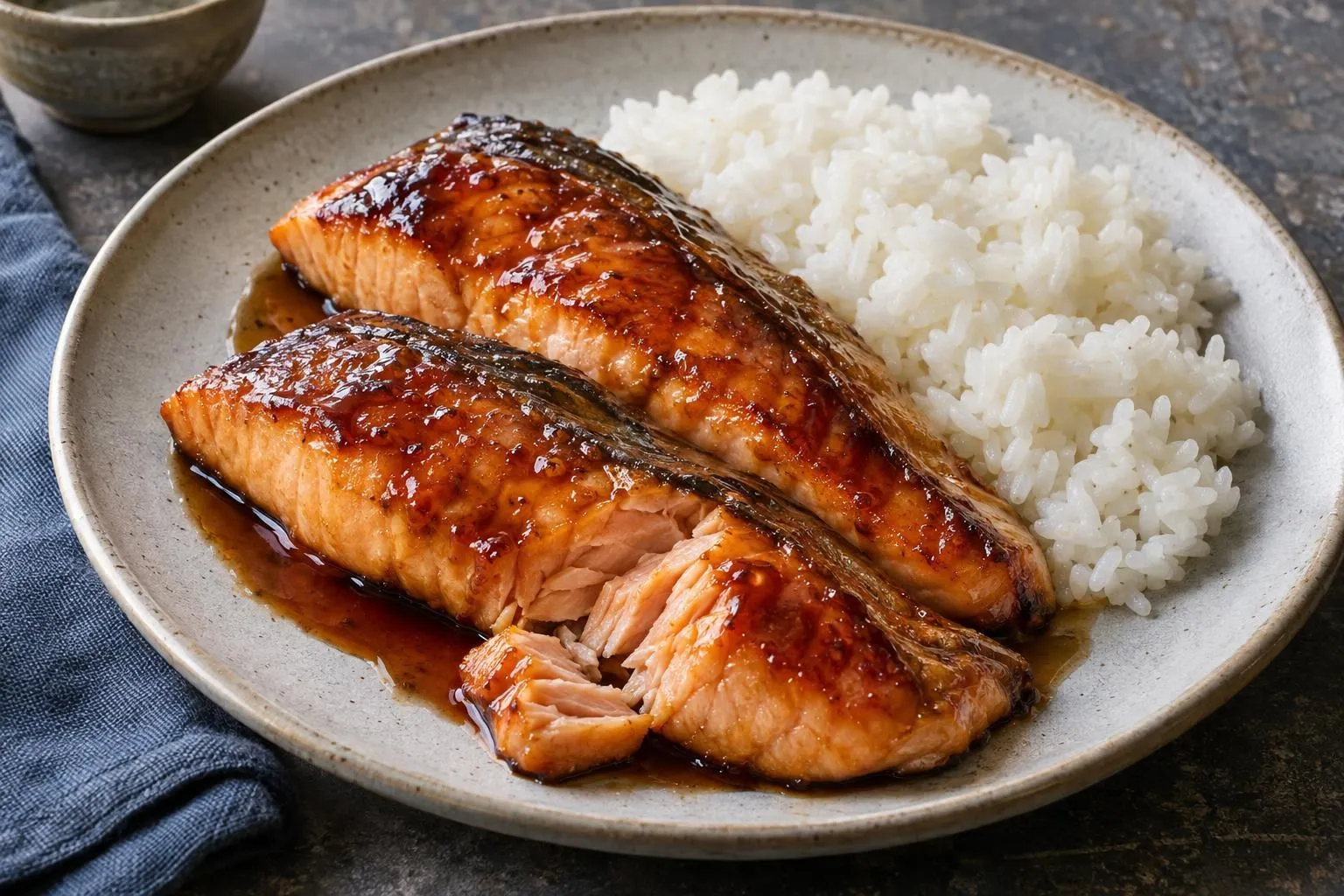
Teriyaki salmon with a glossy soy–mirin glaze
◷ 24 mineasy
Pan-seared salmon finished in a thin, glossy Japanese soy, mirin and sake glaze. Gentle simmering keeps the fish moist, while a separate final reduction prevents overcooking.
Oct 14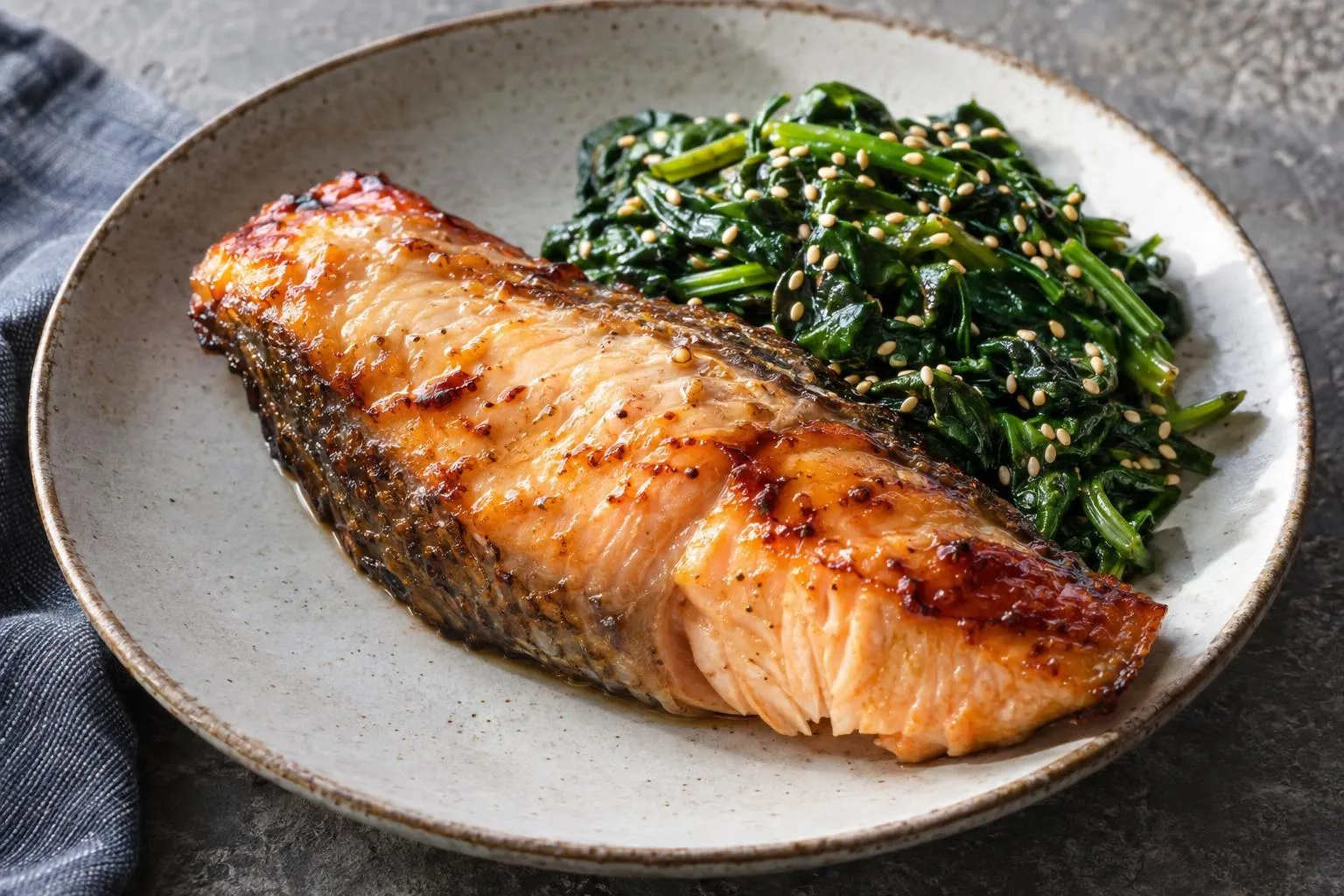
Miso-glazed salmon with sesame greens
◷ 30 mineasy
Moist, gently flaking salmon with a thin, glossy miso glaze, served with tender sesame spinach. Adding the glaze towards the end of roasting gives light caramelisation without scorching the miso.
Oct 6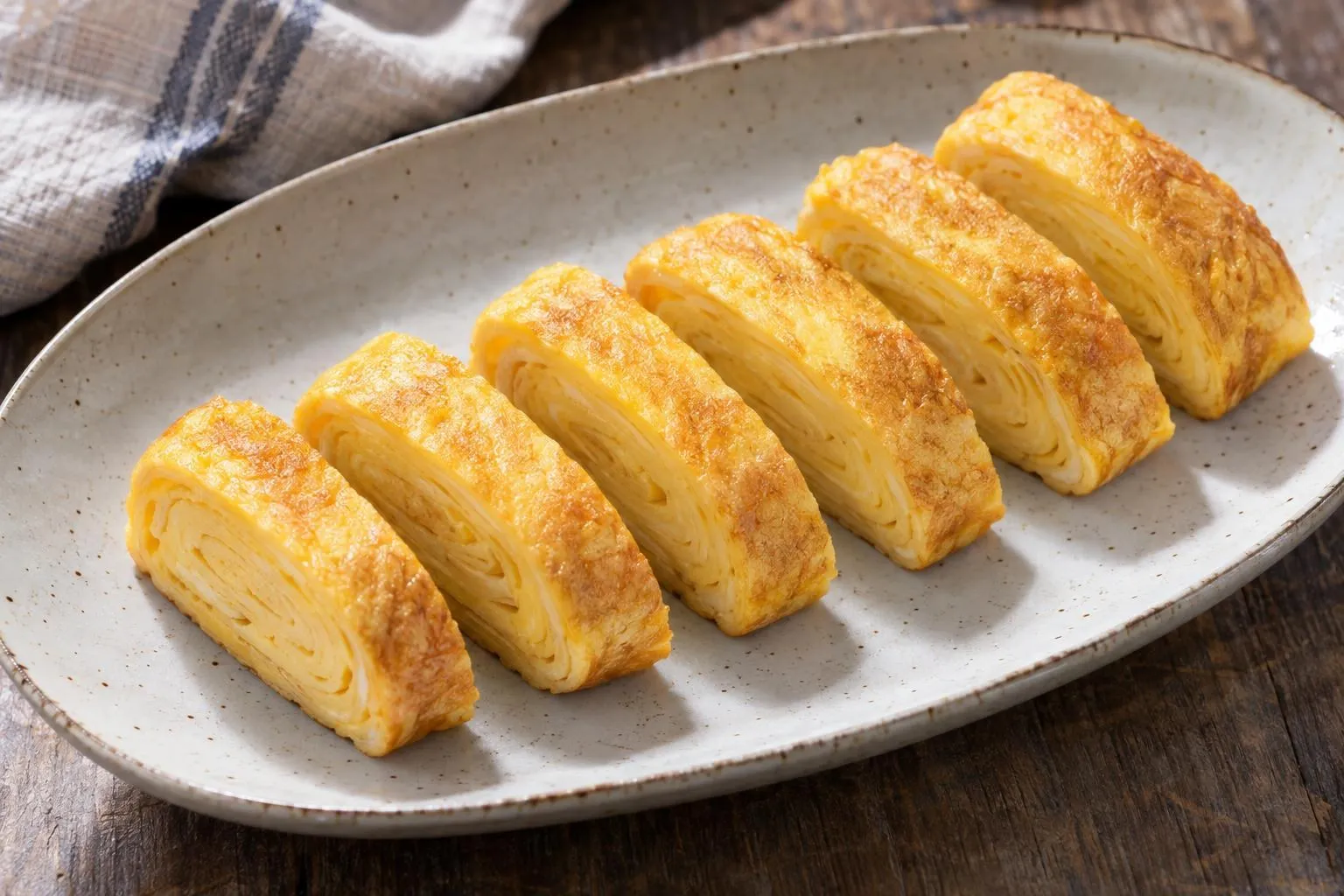
Tamagoyaki in a Round Pan
◷ 23 minmedium
A gently sweet-savoury Japanese rolled omelette with tender, fully cooked folds. Four thin layers are cooked and rolled in a regular nonstick frying pan, then cut into thick slices.
Oct 3