Spaghetti carbonara
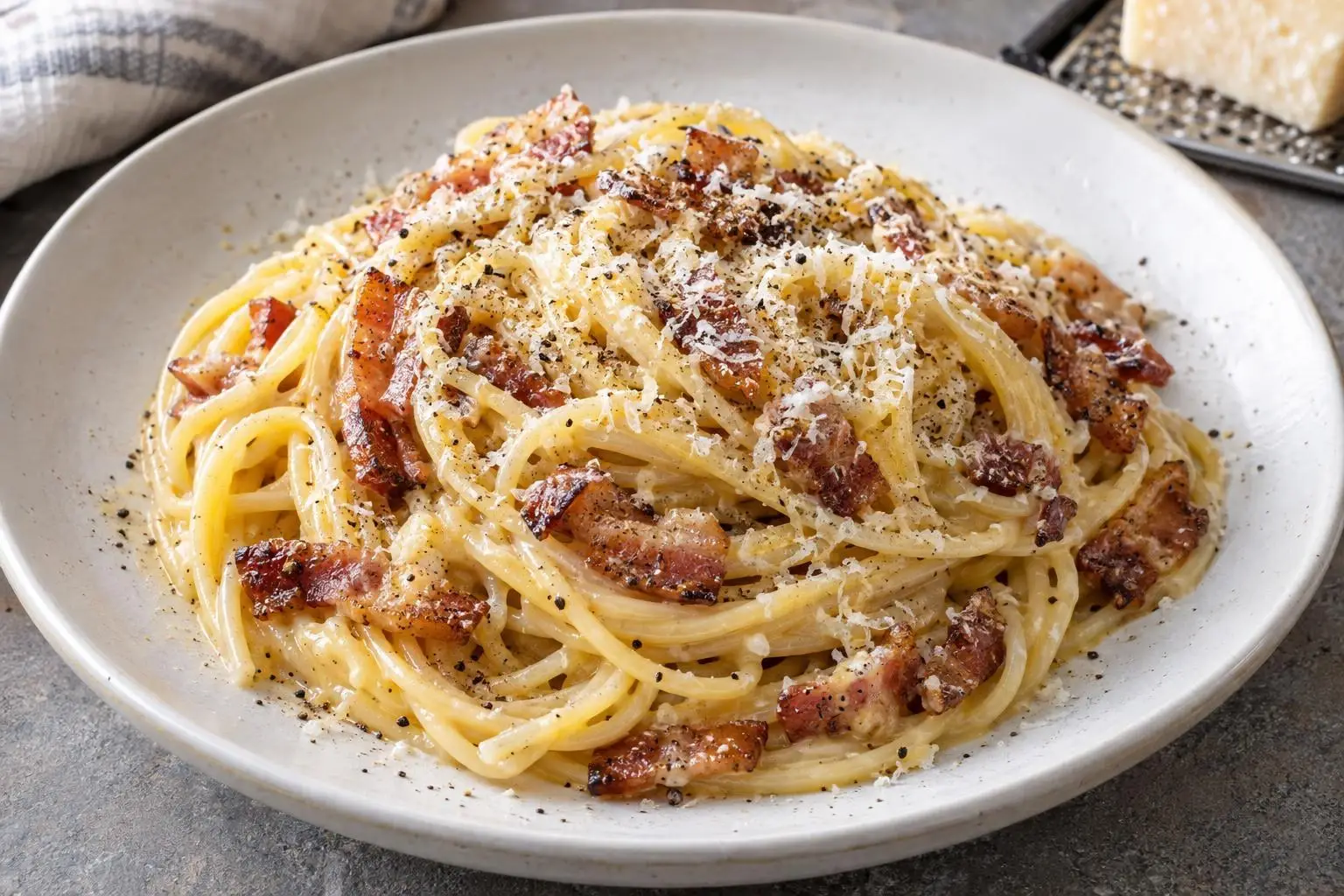
Make spaghetti carbonara in about 30 minutes with crisp-edged guanciale, eggs, Pecorino Romano and black pepper. Toss the hot spaghetti with the egg-and-cheese mixture off the heat, adding a little starchy pasta water for a glossy sauce without cream.
Advert
Let’s get cooking.
Cook mode
Scale servings, tick off ingredients, and run step timers without losing your place.
Servings
Originally developed for 4 servings.
Ingredient checklist
Method
- No timer needed
Cut the guanciale and finely grate the Pecorino. Set aside 20 g of the cheese for serving. Measure the remaining ingredients and set out the bowls and utensils.
- No timer needed
Put the 3 litres water and 12 g salt in the pasta pot. Cover and bring to a rolling boil over high heat. Meanwhile, place the guanciale in the cold frying pan and set it over medium-low heat.
- 08:00
Cook the guanciale for 8–10 minutes, stirring occasionally, until its fat is translucent and its edges are golden and crisp, not dark brown. Reduce the heat if it browns too quickly. Turn off the heat and transfer the guanciale to the small bowl. Measure 30 ml (2 tablespoons) of rendered fat into the large heatproof mixing bowl; if less has rendered, use what is available. Set any excess fat aside for another use. Let the measured fat cool until warm rather than hot while the pasta cooks.
- No timer needed
As soon as the water reaches a rolling boil, add the spaghetti and stir well. Cook uncovered at a steady boil according to the package’s al dente timing, usually 9–11 minutes, stirring occasionally. The spaghetti should bend easily but retain a slight firmness in the centre, with no hard, chalky core.
- No timer needed
While the spaghetti cooks, whisk the whole eggs, yolks, remaining 80 g Pecorino and half the black pepper in the medium bowl. Once the rendered fat in the large bowl has cooled to warm, whisk in the egg-and-cheese mixture. It will be thick. Keep the bowl away from the hot hob.
- No timer needed
Just before draining, scoop out 300 ml (1¼ cups) of pasta water into a heatproof jug. Drain the spaghetti briefly without rinsing; it should still be hot and wet. Immediately add it to the large bowl containing the egg mixture, along with the guanciale and 30 ml (2 tablespoons) of reserved pasta water.
- No timer needed
Toss vigorously with tongs, lifting and turning the spaghetti for about 1–2 minutes, always away from direct heat. Add more reserved pasta water 15 ml (1 tablespoon) at a time until the sauce is glossy and coats each strand. You will usually use 60–120 ml (¼–½ cup) in total, including the first addition. Stop before the sauce becomes watery; it should remain slightly loose because it thickens on the plate.
- No timer needed
Divide immediately among four shallow plates, distributing the guanciale evenly. Finish with the reserved 20 g Pecorino and remaining black pepper. Serve at once.
Chef tips
- Heat the pasta water and render the guanciale at the same time, then whisk the eggs and cheese while the spaghetti cooks. The 30-minute timing is approximate and depends on your hob and pasta.
- Use a mixing bowl rather than the hot frying pan for the final toss to reduce the chance of scrambling the eggs.
- Finely grated Pecorino blends more readily than coarse shreds. A thick egg-and-cheese mixture before tossing is normal.
- If the sauce becomes sticky, add reserved pasta water a tablespoon at a time and keep tossing. Do not return it to direct heat.
- Use pasteurized eggs and yolks for this lightly cooked sauce; hot spaghetti alone does not reliably bring the eggs to 71°C (160°F).
- The pasta water is lightly salted because guanciale and Pecorino already contribute substantial salt.
Equipment check
- 5–6 litre (5–6 US quart) pasta pot with lid
- 28 cm (11 inch) frying pan
- Large heatproof mixing bowl, at least 3 litres (3 US quarts)
- Medium mixing bowl
- Small bowl for the cooked guanciale
- Fine grater
- Whisk
- Tongs
- Measuring spoons
- Heatproof measuring jug
- Colander
Nutrition per serving
- Calories740
- Protein29 g
- Carbs76 g
- Fat36 g
Tags
Behind the dish.
Overview
This carbonara serves four with spaghetti, guanciale, eggs, Pecorino Romano and black pepper. Render the guanciale gently, then combine the hot pasta and egg mixture in a mixing bowl away from direct heat. Small additions of starchy pasta water help create a glossy coating without cream.
Ingredient notes
Guanciale: Remove any tough rind before weighing. If unavailable, substitute the same weight of pancetta; its flavour and fat content will differ.
Pecorino Romano: Finely grate it from a block so it blends readily into the eggs. Guanciale and Pecorino are salty, so the pasta water is deliberately seasoned lightly.
Eggs: Use pasteurized whole eggs and pasteurized yolks because this off-heat method does not reliably bring the sauce to 71°C (160°F). Pasteurization reduces risk but does not replace proper refrigeration and handling.
Allergens: This recipe contains wheat, egg and milk. Gluten-free spaghetti can replace the wheat spaghetti; follow its package timing and handle it gently. Pecorino is sheep’s-milk cheese, not dairy-free.
Serving & storage
Serve immediately on four shallow plates, finished with the reserved Pecorino and black pepper. Carbonara thickens as it stands and is best freshly made.
Refrigerate leftovers in shallow containers within 2 hours, or within 1 hour if the ambient temperature is above 32°C (90°F). Keep at 4°C (40°F) or below and use within 2 days. Reheat with a small splash of water, stirring frequently, until the pasta reaches 74°C (165°F) throughout. The egg sauce may become firmer during reheating. Freezing is not recommended for texture.
Nutrition: Figures are approximate per serving. Guanciale fat content and the amount of rendered fat discarded can change them considerably.
Related recipes
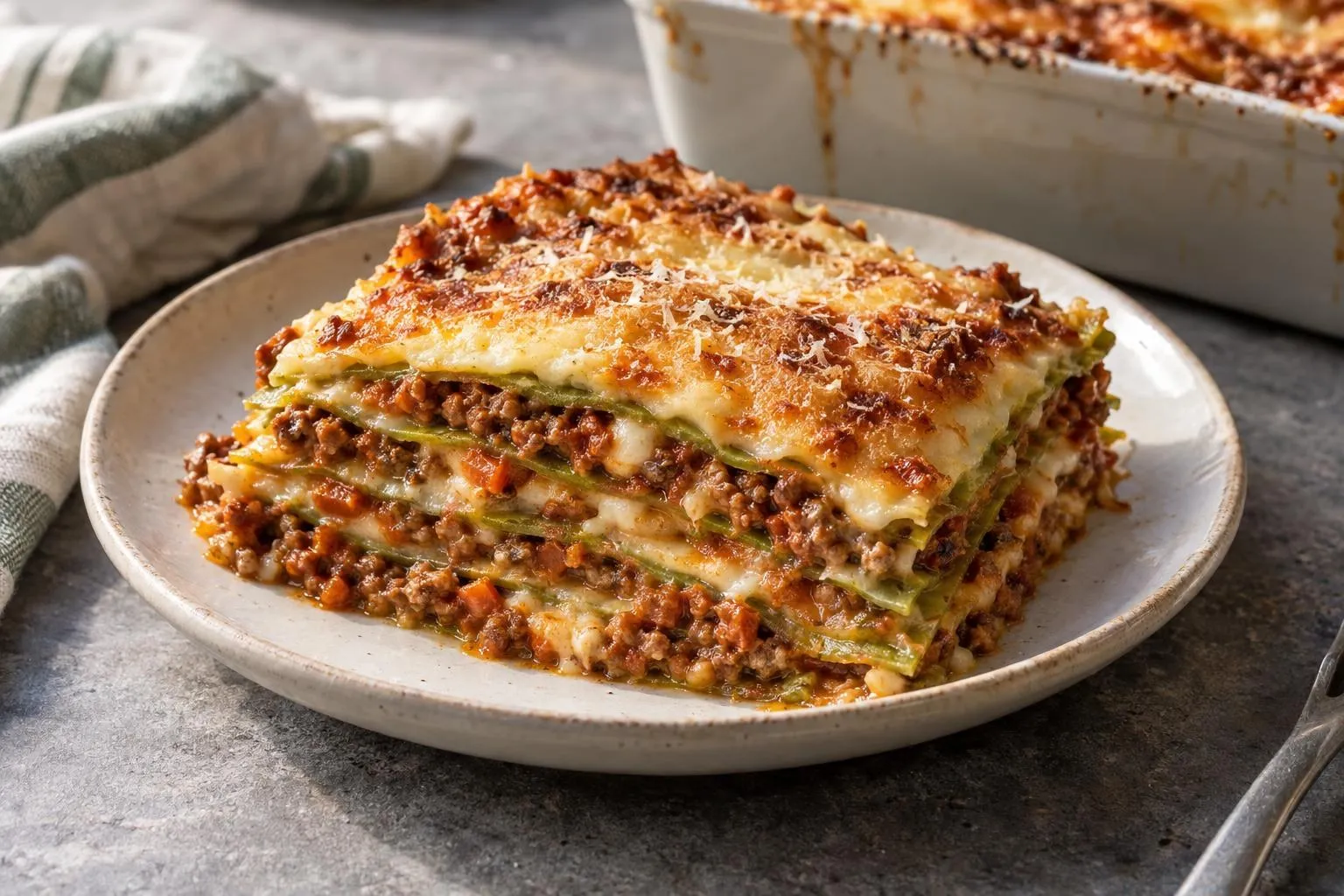
Lasagne alla bolognese with slow-simmered ragù
◷ 304 minmedium
Thin spinach egg-pasta sheets layered with beef and pork ragù, creamy béchamel and Parmigiano Reggiano. Allow about 5 hours 5 minutes, including resting and serving, and longer if the ragù needs further reduction or the lasagne needs more baking.
Oct 18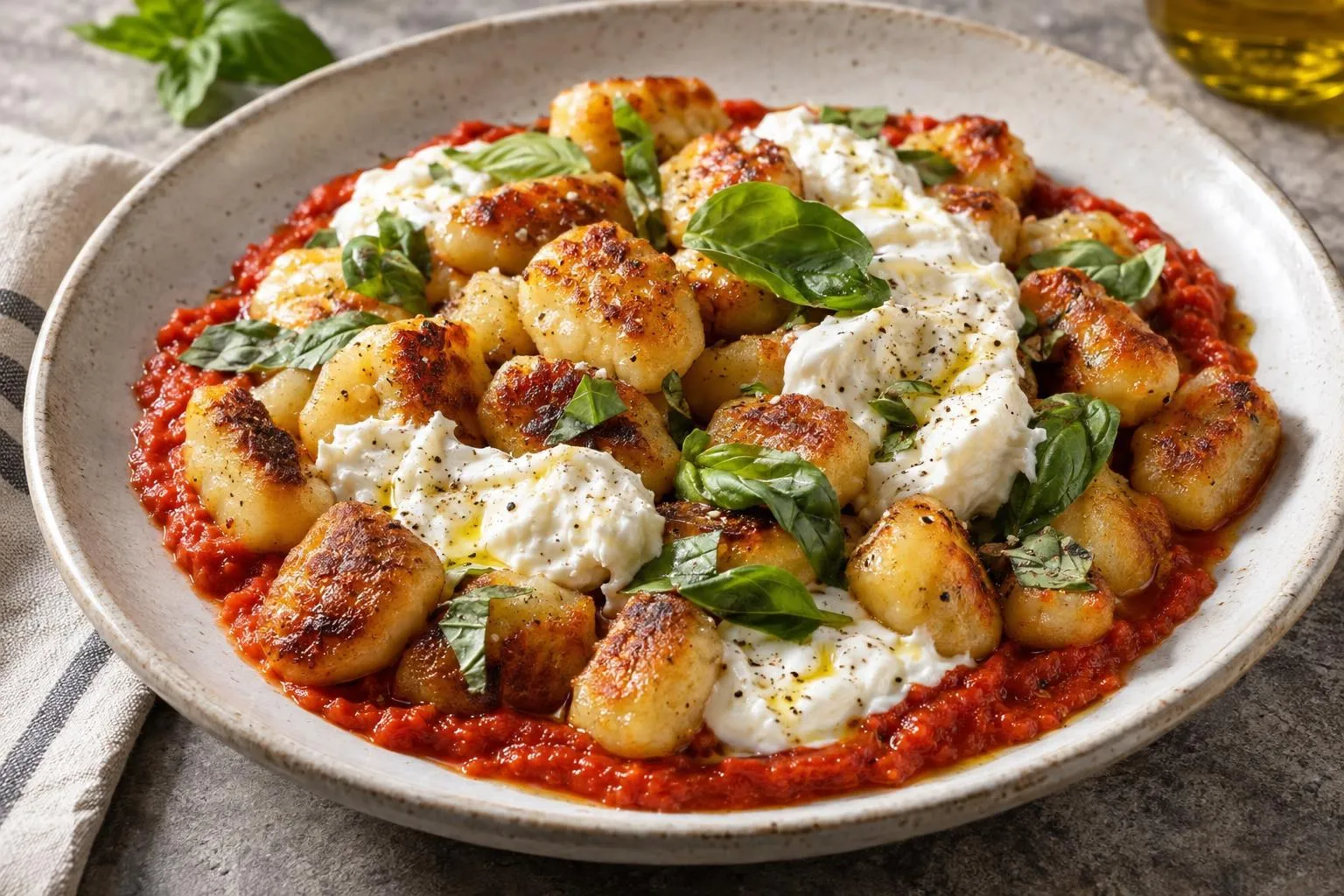
Crispy gnocchi with roasted peppers and burrata
◷ 44 mineasy
Golden pan-fried potato gnocchi sit over a light roasted-pepper sauce, with torn burrata and fresh basil. Keeping the sauce underneath preserves the crisp edges and soft potato centres.
Oct 15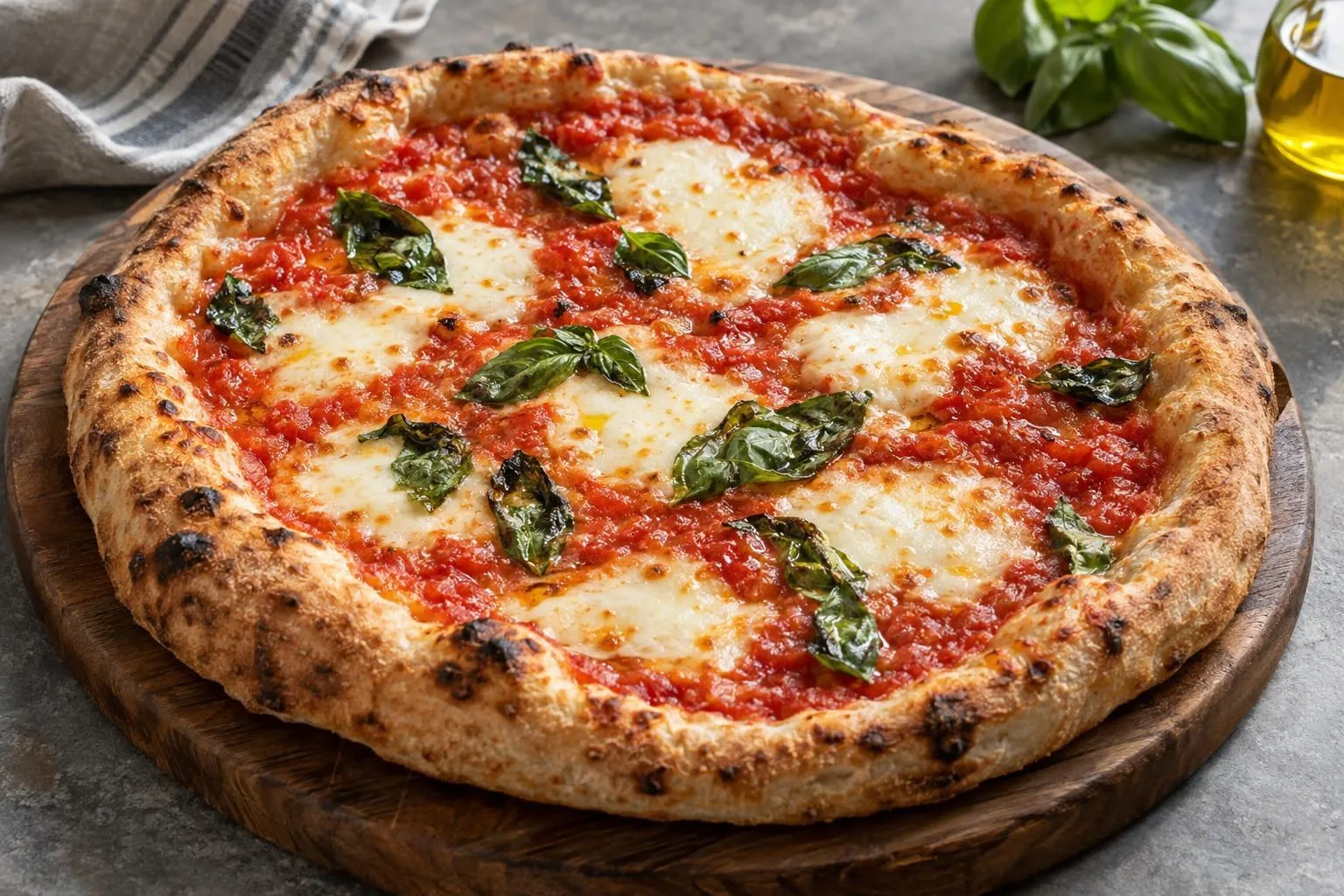
Margherita pizza with no-cook tomato sauce
◷ 204 minmedium
Two homemade pizzas with a crisp, cooked-through base, an airy golden rim, bright tomato sauce, soft mozzarella and fresh basil. Bake them one at a time on a thoroughly preheated metal tray and serve each as it is ready.
Oct 14