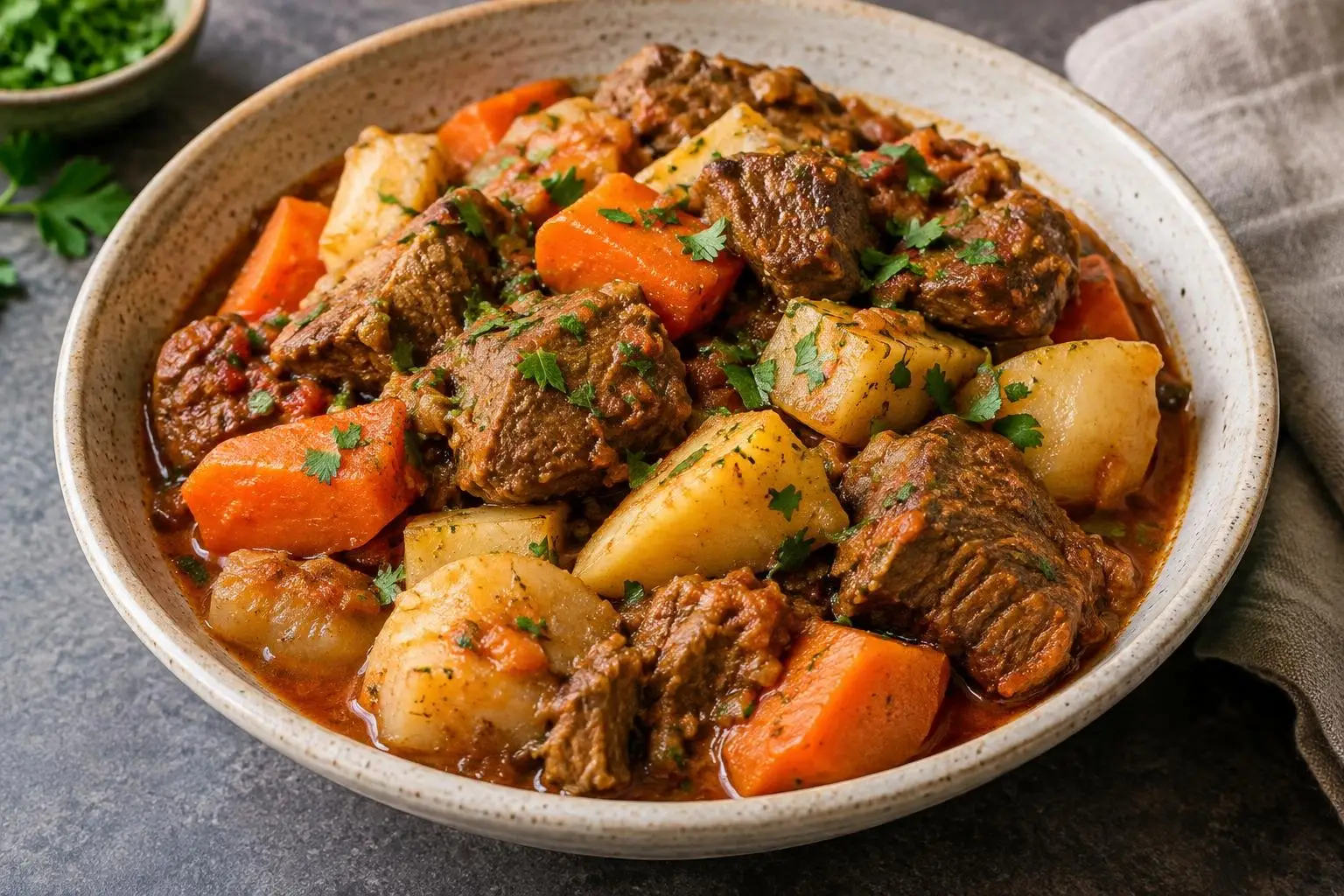
Lebanese Pressure-Cooked Lamb With Seasonal Root Vegetables
A hearty Lebanese-inspired dish featuring tender lamb and a medley of seasonal root vegetables, all pressure-cooked to perfection. This recipe brings out the rich flavors of traditional Lebanese spices combined with the natural sweetness of autumnal produce, offering a comforting and balanced weeknight meal.
Advert
Let’s get cooking.
Cook mode
Scale servings, tick off ingredients, and run step timers without losing your place.
Servings
Originally developed for 4 servings.
Ingredient checklist
Method
- No timer needed
Heat the olive oil in the pressure cooker over medium-high heat. Add the lamb cubes in batches and brown them on all sides, about 4-5 minutes per batch. Remove the lamb and set aside.
- No timer needed
In the same pot, reduce heat to medium and add the chopped onion. Sauté until translucent, about 5 minutes. Add the garlic and cook for an additional minute until fragrant.
- No timer needed
Stir in the tomato paste, cinnamon, allspice, and cumin. Cook for 2 minutes to release the spices’ aroma.
- No timer needed
Return the browned lamb to the pot. Pour in the water or lamb broth, scraping any browned bits from the bottom. Season with salt and pepper.
- No timer needed
Secure the lid on the pressure cooker. Bring to high pressure and cook for 30 minutes. (If using an Instant Pot, use the "Meat/Stew" setting or manual pressure for 30 minutes.)
- No timer needed
Quick-release the pressure carefully according to your pressure cooker’s instructions, then open the lid.
- No timer needed
Add the prepared root vegetables to the lamb mixture. Stir gently to combine.
- No timer needed
Close and lock the lid again, bring back to high pressure and cook for an additional 10-15 minutes until the vegetables are tender.
- No timer needed
Perform a natural pressure release for 10 minutes, then quick-release any remaining pressure. Taste and adjust seasoning if needed.
- No timer needed
Garnish with chopped fresh parsley and serve hot.
Chef tips
- Trim excess fat from lamb shoulder for a healthier dish.
- Use fresh, high-quality spices for the most authentic flavor.
- Be cautious when releasing steam from the pressure cooker to avoid burns.
- If your vegetables cook faster, you can add them with 15 minutes remaining instead of 30 for the lamb only.
Equipment check
- pressure cooker or electric pressure cooker (Instant Pot)
- wooden spoon
- knife
- cutting board
Nutrition per serving
- Calories520
- Protein45 g
- Carbs25 g
- Fat25 g
Tags
Behind the dish.
Overview
This Lebanese Pressure-Cooked Lamb with Seasonal Root Vegetables is a comforting dish that brings together tender lamb shoulder and a colorful assortment of autumn root vegetables. The pressure cooker ensures the lamb is meltingly soft while infusing the dish with a fragrant blend of traditional Lebanese spices like cinnamon, allspice, and cumin. Perfect for a weeknight meal, it pairs beautifully with warm flatbreads or rice.
Why you’ll love it
- Quick, tender results thanks to pressure cooking—perfect for busy evenings.
- Rich, warm spices that elevate the natural flavors of the lamb and vegetables.
- Seasonal root vegetables add natural sweetness and nutrition.
- A wholesome, balanced meal suitable for family dinners or entertaining.
Ingredient notes
- Lamb Shoulder: Use bone-in for more flavor and moisture, but boneless can work as well.
- Root Vegetables: Carrots, parsnips, turnips, and sweet potatoes are excellent choices here; adjust based on your seasonal availability.
- Lebanese Spices: Ground cinnamon, allspice, and cumin provide the signature warm notes—freshly ground spices will yield the best aroma.
- Tomato Paste and Garlic: These add depth and umami to the sauce.
Serving & storage
Serve hot alongside warm Lebanese flatbreads, steamed rice, or a simple green salad for a complete meal. Leftovers can be refrigerated in an airtight container for up to 3 days. Reheat gently on the stove or in the microwave until steaming hot, ensuring food safety by heating evenly. This dish also freezes well for up to 2 months—allow to thaw overnight in the refrigerator before reheating.
Related recipes
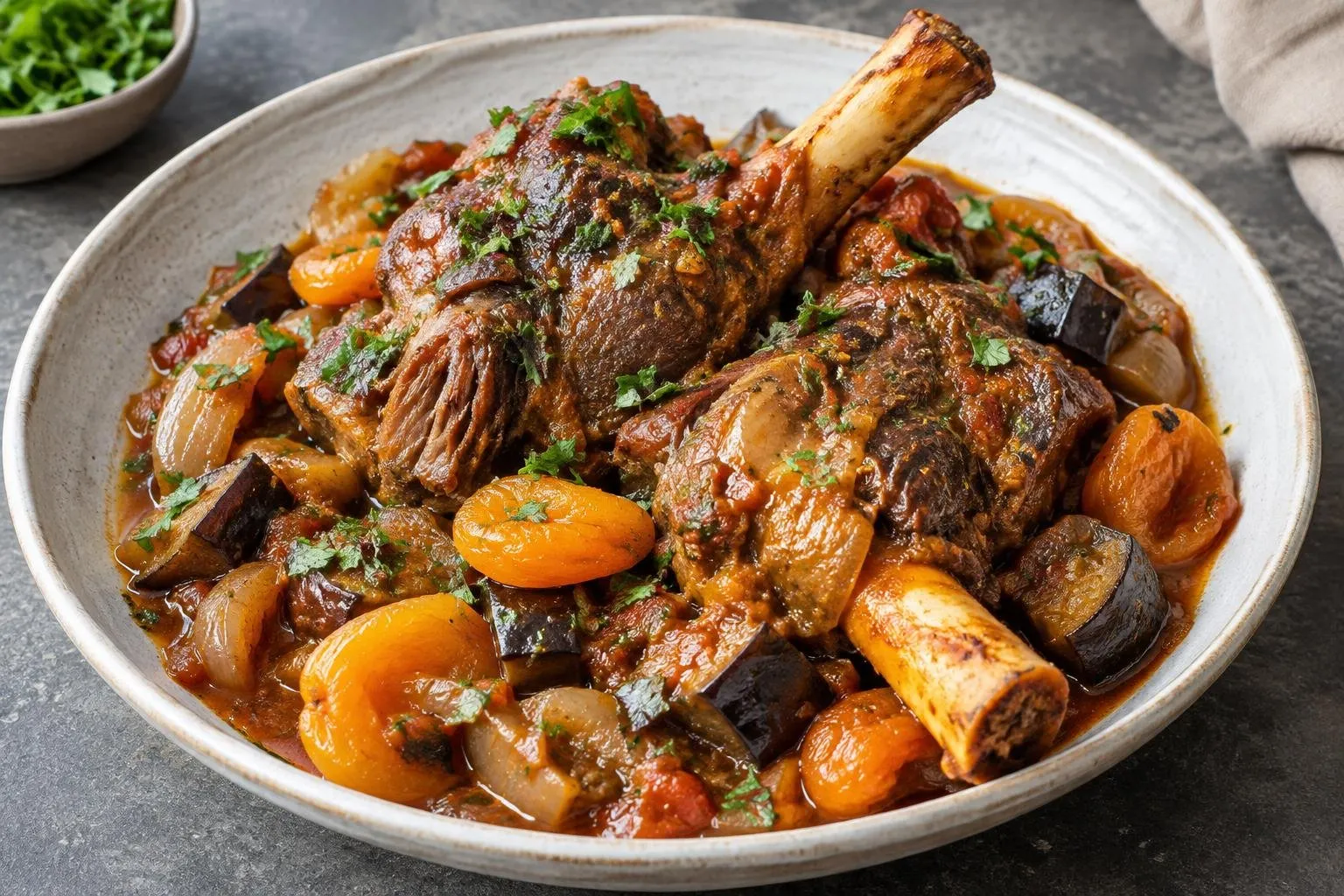
Pressure-Cooked Lebanese Lamb Shank with Eggplant and Apricot
◷ 80 minmedium
A hearty Lebanese-inspired dish featuring tender lamb shanks pressure-cooked with seasonal eggplant and sweet dried apricots. The dish balances savory and sweet flavors, highlighting classic Middle Eastern spices, and is perfect for a comforting weeknight meal.
Feb 1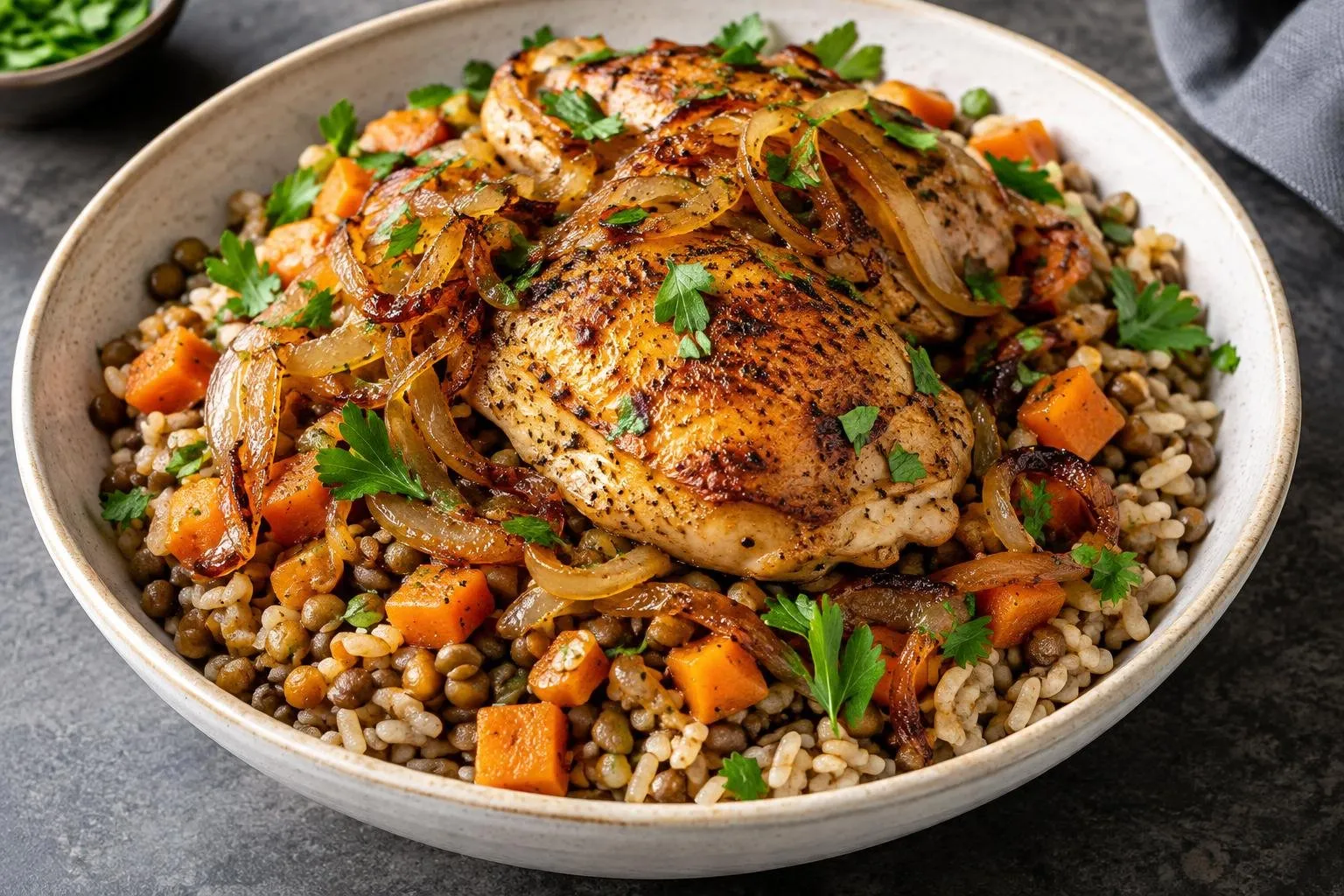
Lebanese Chicken Mujaddara Grain Bowl
◷ 80 minmedium
A wholesome Lebanese-inspired grain bowl featuring fragrant lentils and rice topped with tender, spiced roasted chicken and caramelized onions. This dish combines seasonal autumn produce such as sweet carrots and fresh parsley, making it nutritious and perfect for a weeknight meal.
Jan 30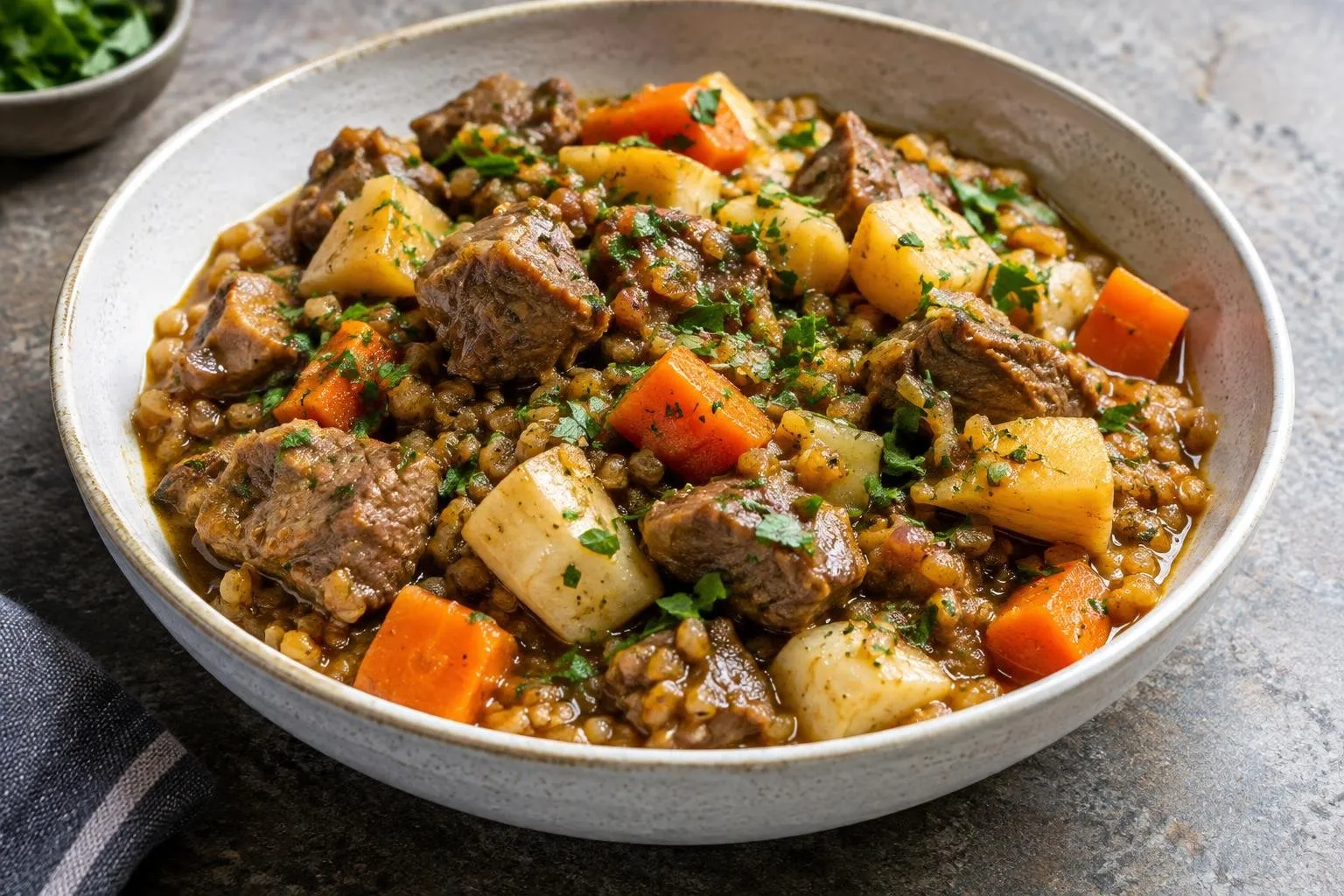
Lebanese Lamb and Freekeh Stew with Root Vegetables
◷ 140 minmedium
A hearty Lebanese-inspired stew combining tender lamb shoulder, nutty freekeh grains, and seasonal root vegetables slow-cooked to develop rich, comforting flavors. This dish highlights traditional Middle Eastern spices and textures, perfect for a nourishing weeknight meal.
Jan 28