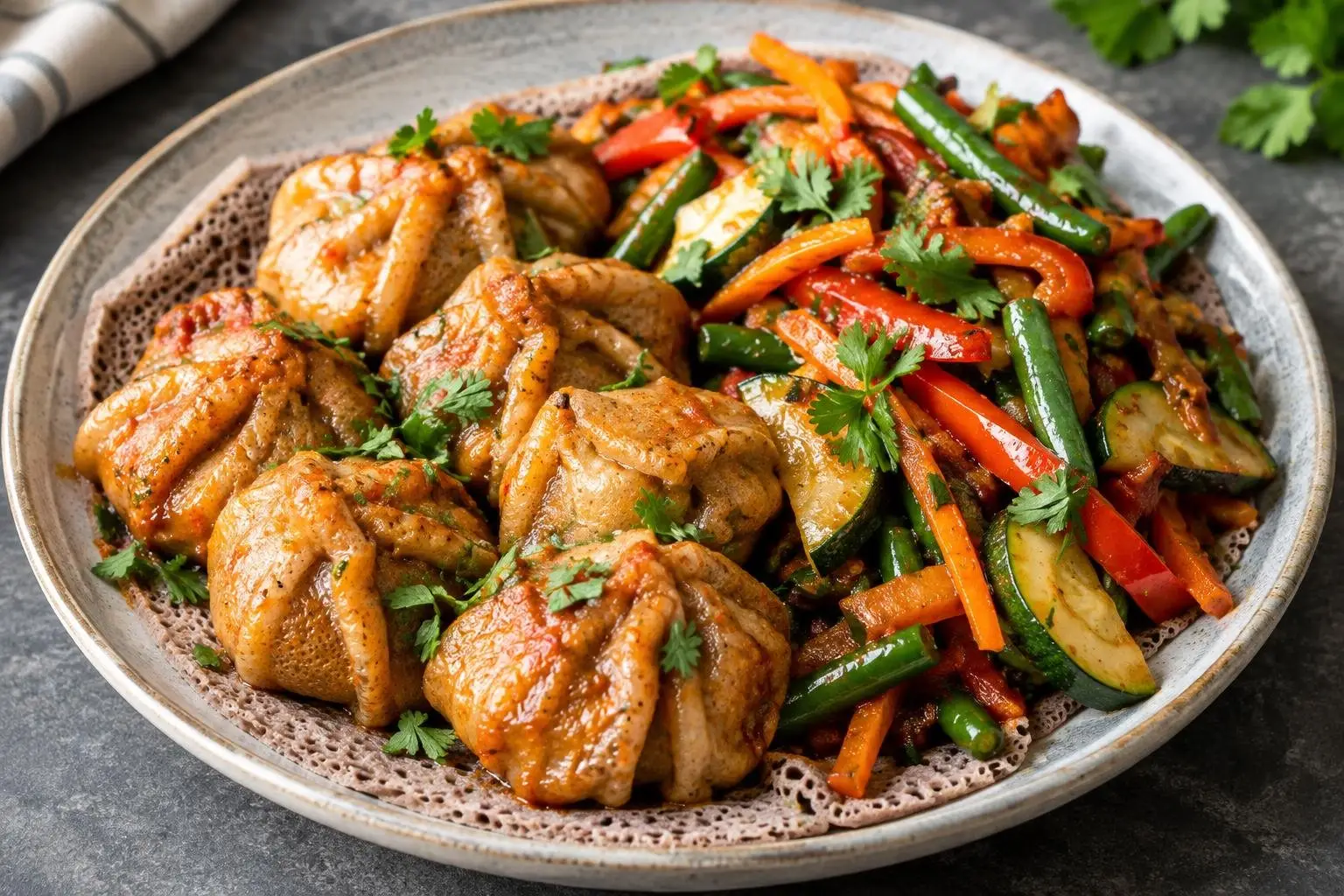
Ethiopian-Inspired Vegetarian Injera Dumplings With Stir-Fried Seasonal Vegetables
Savor a vegetarian twist on classic Ethiopian flavors with injera dumplings, lightly poached and served alongside vibrant stir-fried seasonal vegetables. This dish celebrates traditional ingredients and methods while offering a fresh weeknight meal option that's both approachable and wholesome.
Advert
Let’s get cooking.
Cook mode
Scale servings, tick off ingredients, and run step timers without losing your place.
Servings
Originally developed for 4 servings.
Ingredient checklist
Method
- No timer neededIn a large mixing bowl, combine the chickpea flour, berbere spice, and a pinch of salt. Gradually whisk in 250 ml (1 cup) of water until you get a smooth, thick batter.
- 10:00Add the cut injera bread squares to the batter and gently toss to coat each piece evenly. Let them soak for 10 minutes to absorb the batter flavors and soften slightly.
- 05:00Bring a large pot of water to a gentle simmer over medium heat for poaching the dumplings.
- 05:00Using a slotted spoon, carefully add the batter-coated injera pieces into the simmering water in batches. Poach for 5 minutes, until the dumplings puff slightly and become tender. Remove with the slotted spoon and set aside on a plate to drain.
- 01:00Heat 1 tablespoon of vegetable oil in a medium frying pan or wok over medium-high heat. Add the minced garlic and grated ginger; stir-fry for 1 minute until fragrant.
- 07:00Add the julienned carrot, sliced red bell pepper, green beans, and zucchini to the pan. Stir-fry the vegetables for 5–7 minutes until crisp-tender.
- 02:00Pour in the soy sauce, season with salt and black pepper to taste, and stir well to combine. Cook for an additional 1–2 minutes to allow the flavors to meld.
- No timer neededServe the poached injera dumplings warm on a platter alongside the stir-fried seasonal vegetables. Garnish with chopped fresh cilantro or parsley if desired and enjoy immediately.
Chef tips
- Be gentle when handling the dumplings during poaching to avoid breaking them.
- If injera bread is unavailable, using sourdough or whole wheat flatbread will create a slightly different but still flavorful dumpling.
- To add extra protein, toss in cooked chickpeas or lentils to the stir-fry.
- Ensure the water is at a gentle simmer, not a rolling boil, to keep dumplings intact during poaching.
Equipment check
- large mixing bowl
- whisk
- large pot or deep skillet for poaching
- medium frying pan or wok
- slotted spoon
- knife
- cutting board
Nutrition per serving
- Calories320
- Protein12 g
- Carbs48 g
- Fat7 g
Tags
Behind the dish.
Overview
This recipe offers a unique vegetarian take on Ethiopian cuisine by transforming injera bread into delicate dumplings. These dumplings are gently poached to preserve their tender texture and paired with a lively stir-fry of seasonal vegetables seasoned with traditional Ethiopian spices. The combination provides a harmonious balance of flavors, textures, and nutrients — perfect for a nourishing weeknight meal.
Why you’ll love it
- Authentic flavor inspiration: Uses classic Ethiopian spices like berbere and cardamom to deliver rich depth.
- Vegetarian and wholesome: Full of fresh vegetables and plant-based protein, ideal for meat-free diets.
- Textural contrast: Soft, tender dumplings contrast with crisp stir-fried veggies.
- Approachable technique: Poaching dumplings is easy and gentle, perfect for home cooks.
Ingredient notes
- Injera bread: Traditionally fermented teff-based flatbread; if unavailable, use whole wheat or sourdough flatbread as a substitute.
- Berbere spice: A complex Ethiopian blend of chili, coriander, garlic, and other spices—available at specialty or online stores.
- Seasonal vegetables: Choose firm vegetables like bell peppers, carrots, green beans, zucchini, or squash, sliced evenly for uniform stir-frying.
- Fresh ginger and garlic: Essential aromatics to brighten the stir-fry.
Serving & storage
Serve dumplings warm alongside the stir-fried vegetables, garnished with chopped fresh cilantro or parsley if desired. Leftovers can be stored in airtight containers in the refrigerator for up to 3 days. Reheat gently on the stovetop or in the microwave until piping hot, adding a splash of water if the dumplings feel dry. For best texture, consume shortly after reheating.
Related recipes
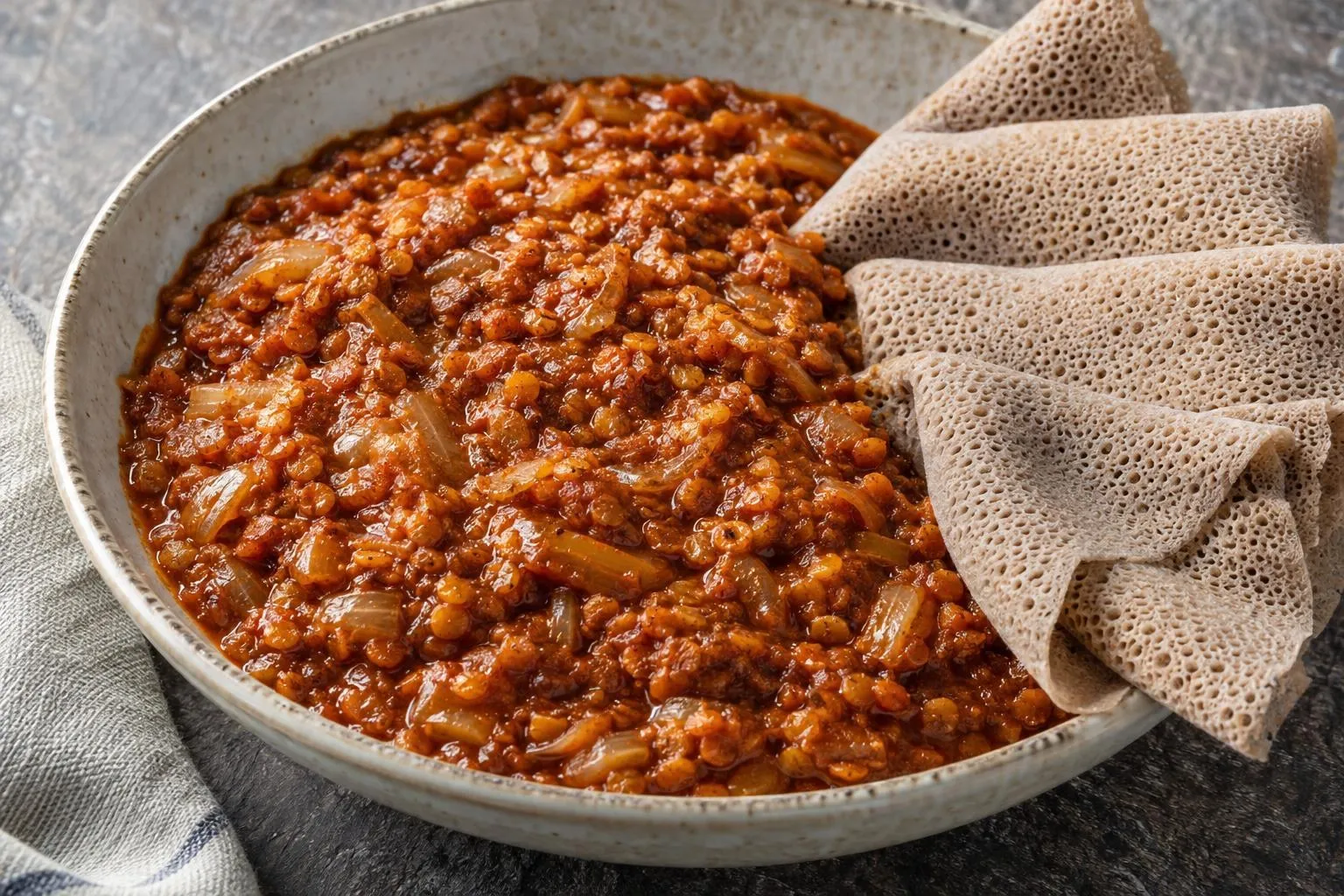
Misir wat with slow-cooked onions
◷ 85 mineasy
An Ethiopian red lentil stew with sweet, thoroughly softened onions, warm berbere heat and a thick, spoonable texture, served with injera. Allow about 1 hour 25 minutes, or longer if the onions or lentils need more cooking.
Oct 16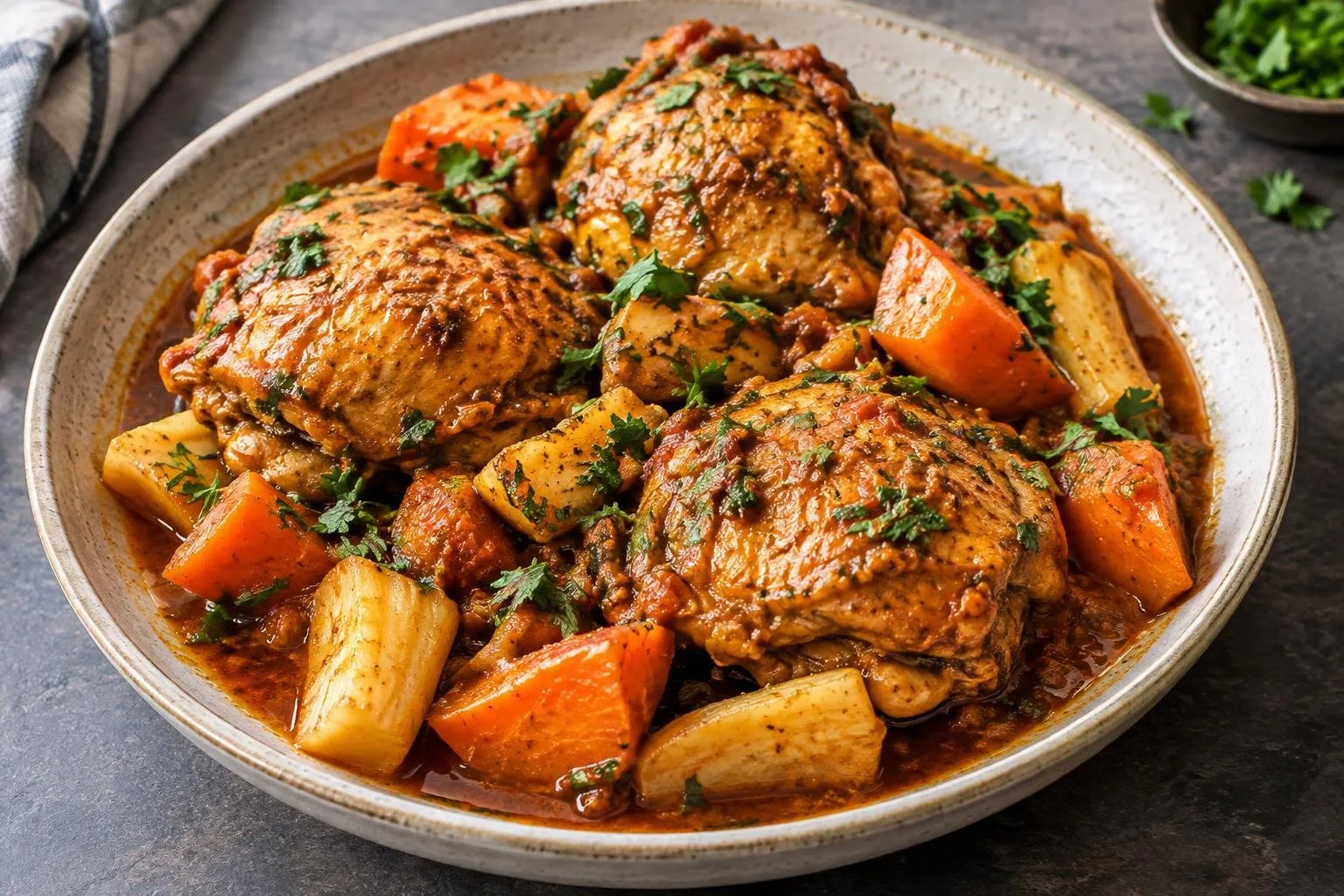
Ethiopian Doro Wat-Inspired Poached Chicken Stew
◷ 80 minmedium
A comforting and flavorful Ethiopian-inspired poached chicken stew featuring seasonal root vegetables and traditional spices, gently simmered to tender perfection. This recipe highlights poaching as a gentle cooking method, celebrating an authentic stew that honors Ethiopian culinary traditions while using accessible ingredients.
Jan 31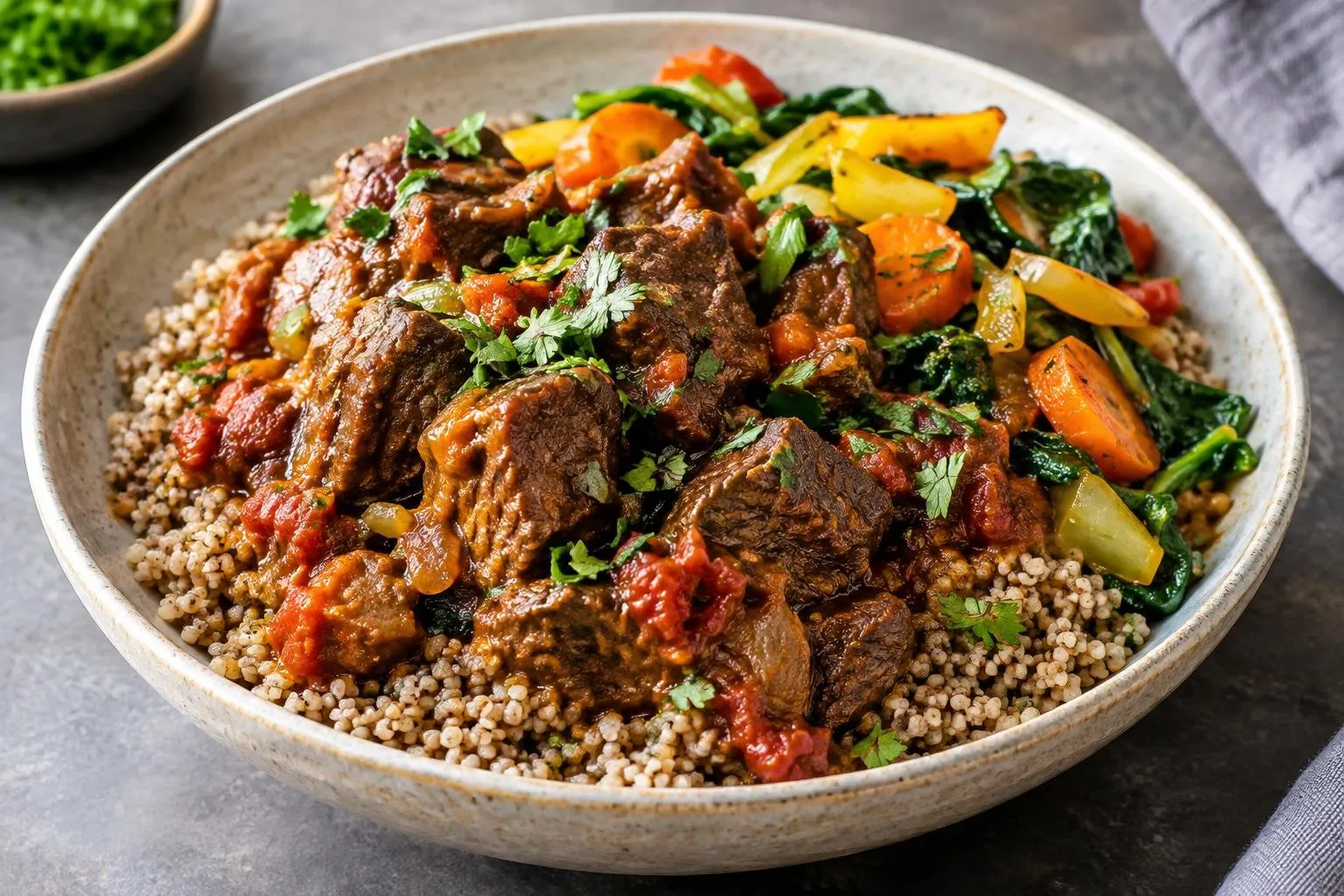
Ethiopian-Inspired Slow Braised Beef Tibs Grain Bowl
◷ 200 minmedium
This hearty grain bowl features slow braised Ethiopian-style beef tibs infused with traditional spices, served over a bed of fluffy injera-inspired teff grains and topped with sautéed seasonal vegetables. It embraces slow braising as a comforting cooking method and highlights Ethiopian flavors without fusion elements, making it perfect for a wholesome weeknight meal.
Jan 29