Caribbean Steamed Fish with Tropical Vegetables
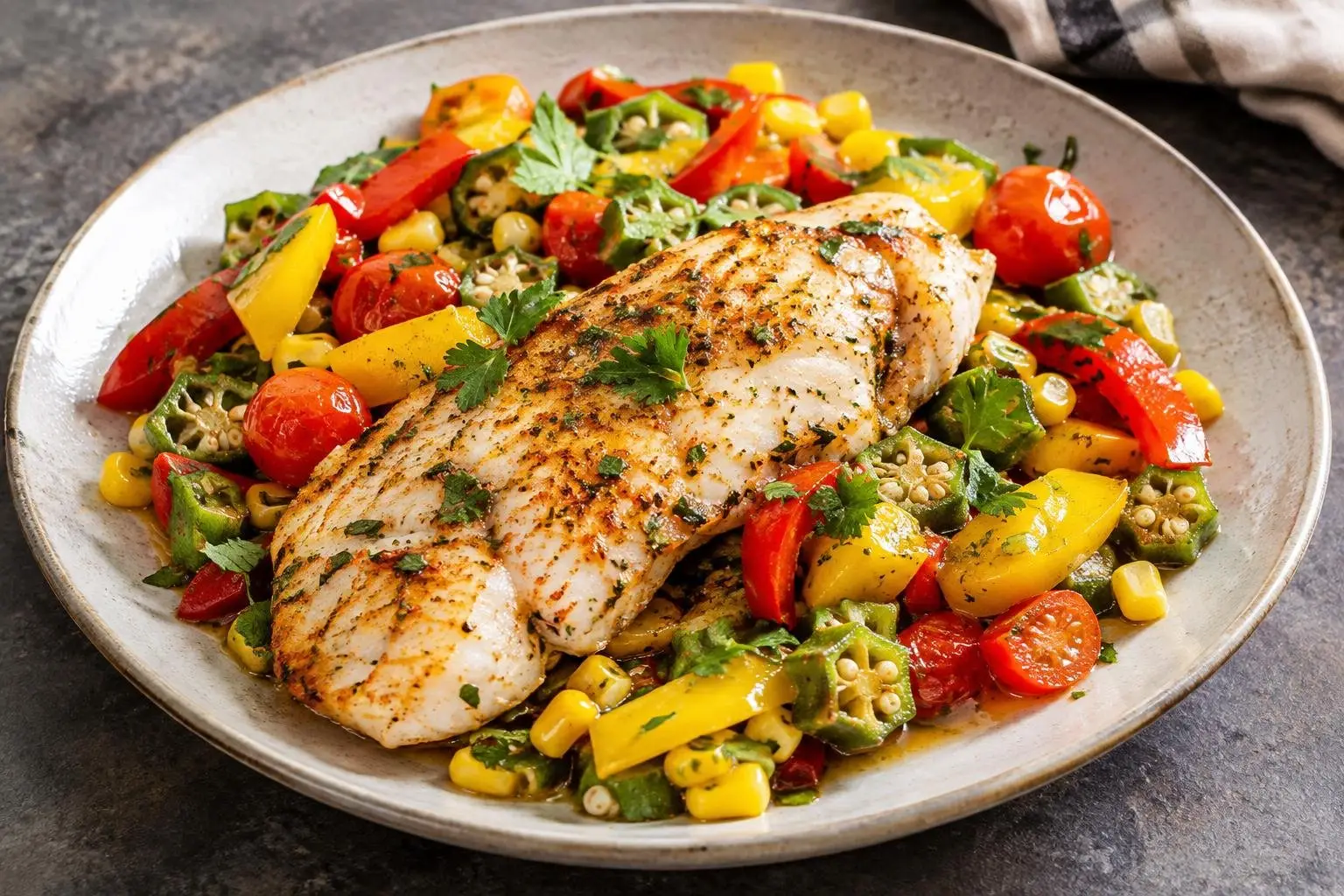
A vibrant and healthy Caribbean-inspired recipe featuring steamed white fish infused with island spices, served alongside a medley of tropical vegetables. This dish highlights steaming as a gentle cooking method to preserve flavors and nutrients, embodying familiar Caribbean culinary traditions with a weeknight-friendly twist.
Advert
Let’s get cooking.
Cook mode
Scale servings, tick off ingredients, and run step timers without losing your place.
Servings
Originally developed for 4 servings.
Ingredient checklist
Method
- No timer neededIn a small bowl, combine paprika, ground allspice, dried thyme, garlic powder, cayenne pepper, salt (1 tsp), and black pepper (½ tsp). This is your Caribbean spice blend.
- 10:00Pat the fish fillets dry with paper towels. Rub both sides evenly with the Caribbean spice blend and drizzle with olive oil. Set aside to marinate for 10 minutes.
- No timer neededPrepare the tropical vegetables: in a large bowl, toss together sliced bell peppers, okra, corn kernels, cherry tomatoes, minced garlic, and sliced onion. Season lightly with salt and pepper.
- 05:00Fill a large pot with about 5 cm (2 inches) of water and bring to a gentle boil over medium-high heat. Place the steamer basket or rack inside, making sure water does not touch the basket.
- No timer neededArrange the marinated fish fillets on a heatproof plate that fits inside your steamer basket. Scatter the tropical vegetables evenly around the fish.
- 15:00Place the plate inside the steamer basket. Cover the pot with a tight-fitting lid and steam the fish and vegetables for 15 minutes, until the fish flakes easily with a fork and the vegetables are tender but vibrant.
- No timer neededCarefully remove the plate from the steamer. Drizzle fresh lime juice over the fish and vegetables, and sprinkle with chopped cilantro or parsley before serving.
Chef tips
- Use firm white fish fillets that hold together well during steaming to prevent breaking apart.
- Do not overfill the steaming water, and ensure it does not touch the fish to avoid boiling rather than steaming.
- Keep the lid on while steaming to trap steam and cook the fish evenly and quickly.
- Adjust cayenne pepper quantity to control spice heat as preferred.
- Serve immediately for best texture and flavor.
Equipment check
- steamer basket or steaming rack
- large pot with lid
- mixing bowls
- knife
- cutting board
- measuring spoons
- measuring cups
Nutrition per serving
- Calories280
- Protein34 g
- Carbs15 g
- Fat6 g
Tags
Behind the dish.
Overview
This Caribbean Steamed Fish with Tropical Vegetables recipe showcases tender white fish infused with aromatic island spices and fresh herbs, paired with a colorful medley of tropical vegetables like bell peppers, okra, and sweet corn. Steaming gently cooks the fish and vegetables, preserving natural flavors, moisture, and nutrients, making it both a flavorful and wholesome option perfect for a healthy weeknight dinner.
Why you’ll love it
- Quick and easy steaming technique for perfect, moist fish.
- Bold Caribbean spice blend brings vibrant island flavors.
- Nutritious tropical vegetables boost color and texture.
- Minimal oil and no frying for a healthy seafood option.
- Great for weeknight dinners, ready in under 40 minutes.
Ingredient notes
- White fish fillets: Use firm, mild white fish such as snapper, cod, or mahi-mahi for best results.
- Caribbean spices: A blend of paprika, ground allspice, thyme, garlic powder, and a touch of cayenne adds authentic island flavor.
- Tropical vegetables: Bell peppers, okra, sweet corn, and cherry tomatoes create a colorful and tasty medley.
- Lime juice and fresh herbs: Lime brightens the dish, while fresh cilantro or parsley adds freshness.
Serving & storage
Serve the steamed fish and vegetables immediately while warm, garnished with additional fresh herbs and lime wedges. Pair well with steamed jasmine rice or fried plantains for a complete Caribbean meal. Leftovers can be stored in an airtight container in the refrigerator for up to 2 days. Reheat gently to prevent drying out. Consume seafood leftovers promptly for food safety.
Related recipes
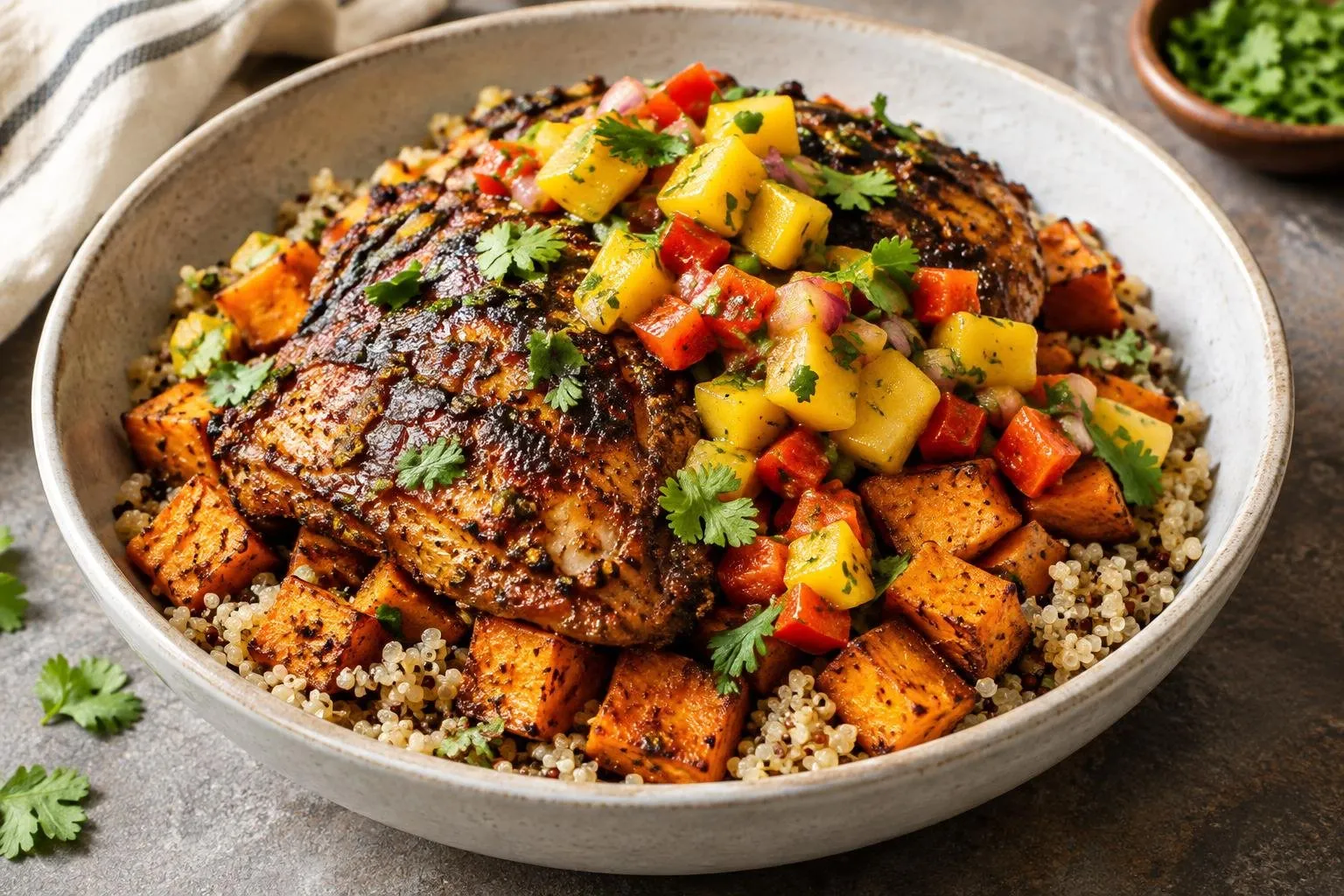
Caribbean Jerk Chicken Grain Bowl with Roasted Sweet Potatoes
◷ 110 minmedium
A vibrant Caribbean-inspired grain bowl featuring slow-braised jerk chicken served atop a bed of quinoa and roasted seasonal sweet potatoes, garnished with fresh mango salsa and chopped cilantro for a balanced, flavorful weeknight meal.
Mar 19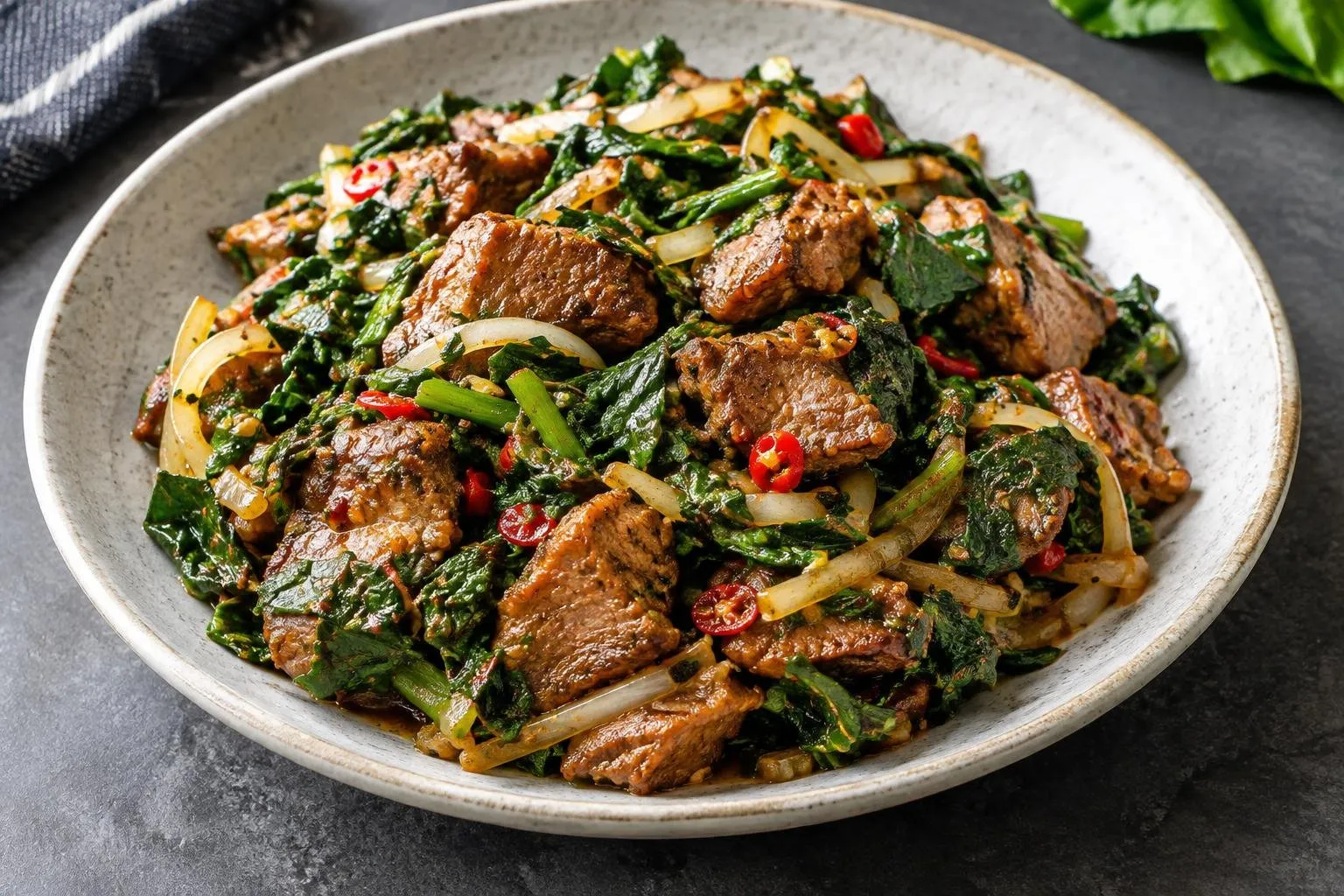
Jamaican Pepperpot Stir-Fry with Callaloo and Pork
◷ 30 minmedium
A vibrant stir-fried Jamaican pepperpot featuring tender pork pieces and seasonal callaloo greens, seasoned with traditional Caribbean spices for a hearty weeknight skillet supper. This dish highlights indigenous flavors through a familiar cooking technique, perfect for a quick and wholesome meal.
Jan 31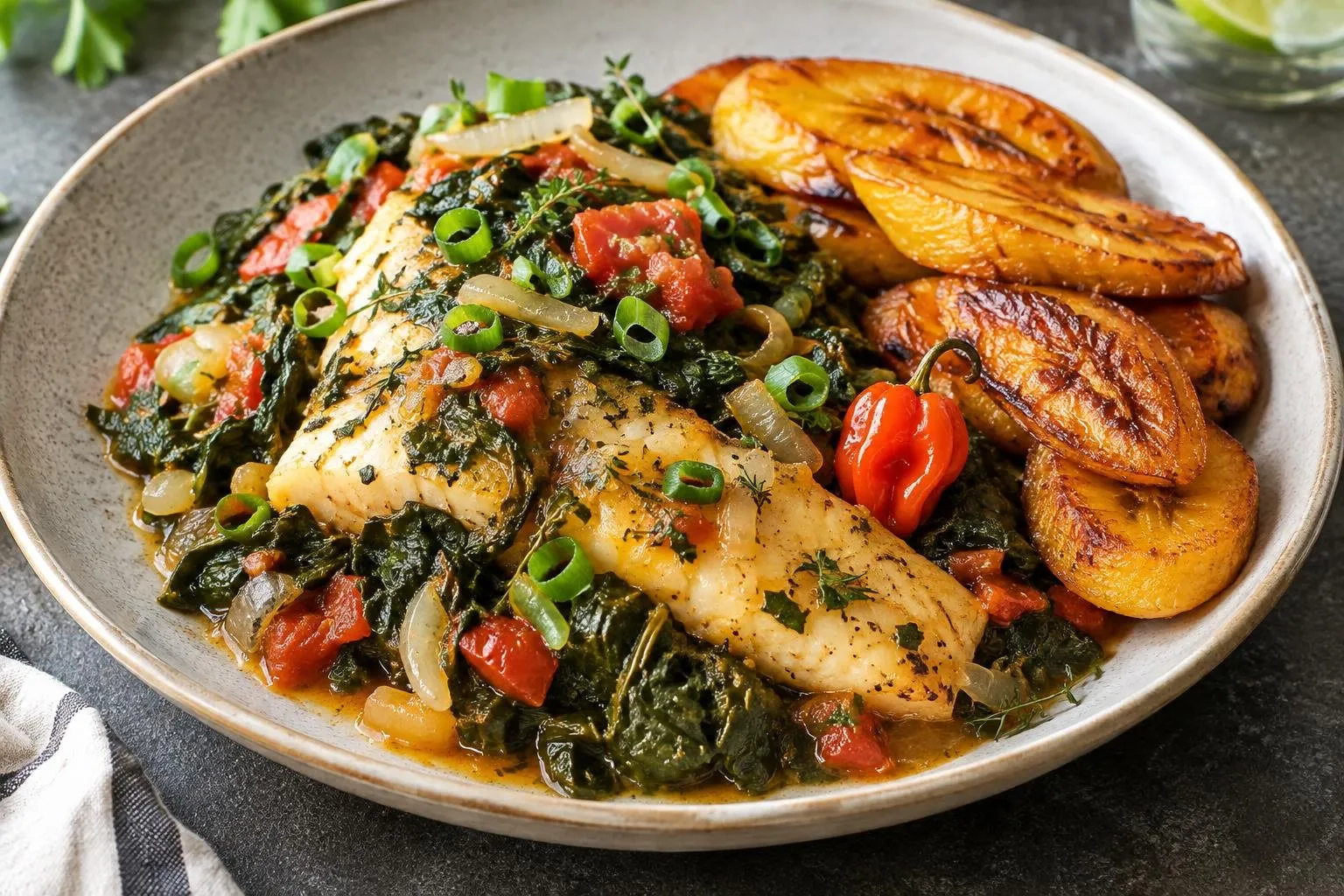
Caribbean Steamed Fish with Callaloo and Sweet Plantains
◷ 45 minmedium
A vibrant Caribbean skillet supper featuring fresh, seasonal white fish steamed to perfection with a savory callaloo and tomato sauce, paired with sweet fried plantains. This dish highlights classic flavors and familiar techniques, offering a wholesome and approachable meal that's perfect for weeknights.
Jan 29