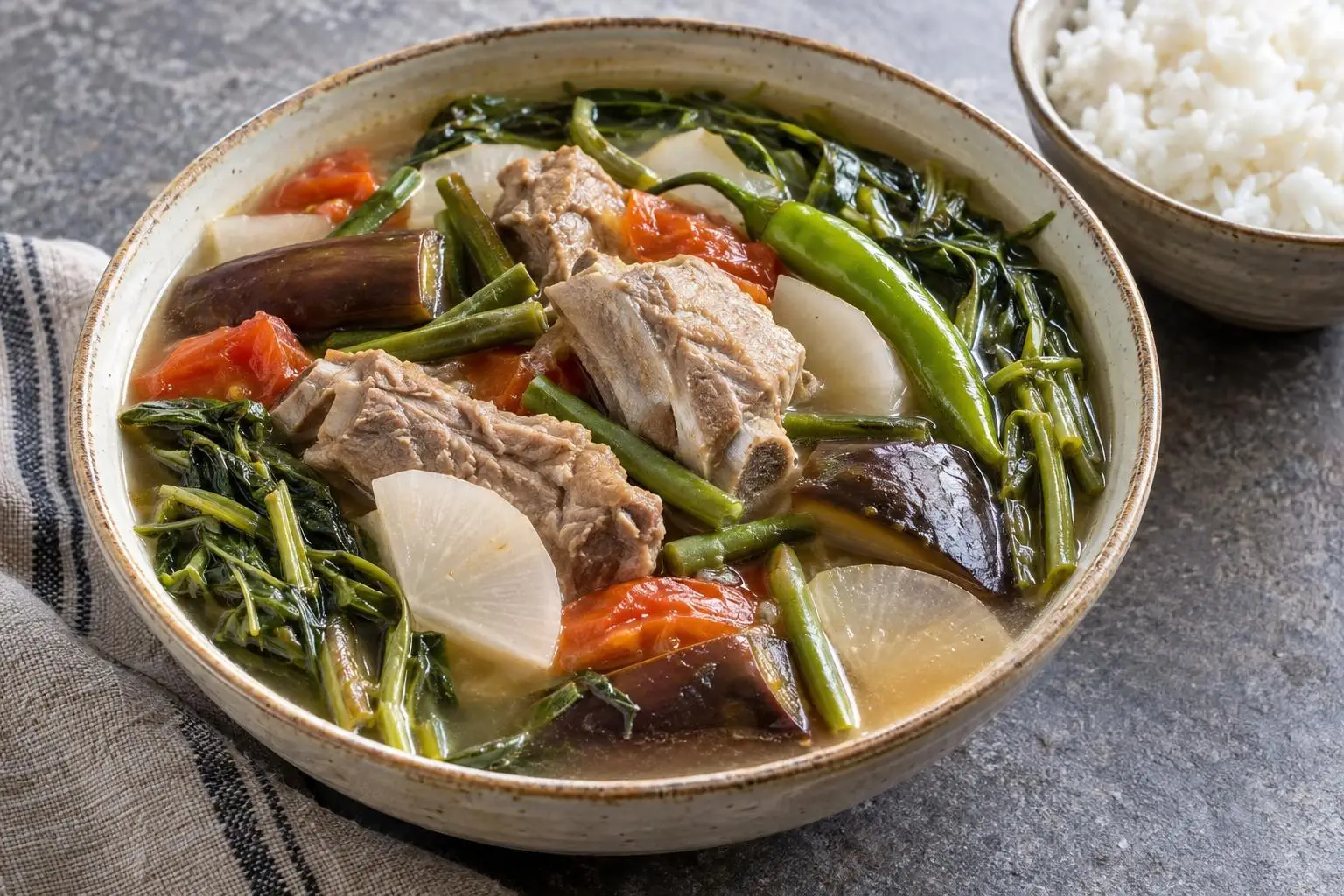
Sinigang na baboy with tamarind broth
Tender pork ribs in a distinctly sour, savoury Filipino broth with tomatoes, radish, aubergine, long beans and just-wilted water spinach. Gentle simmering keeps the broth light and the vegetables intact.
Advert
Let’s get cooking.
Cook mode
Scale servings, tick off ingredients, and run step timers without losing your place.
Servings
Originally developed for 4 servings.
Ingredient checklist
Method
- No timer needed
Prepare the onion and tomatoes and measure 2 litres cold water. Put these in a 5–6 litre pot with the ribs. Do not wash the pork; keep its utensils separate from vegetables and serving utensils, then wash your hands and clean the raw-meat surface. Bring the pot to the boil over medium-high heat, allowing about 12 minutes. While it heats, prepare the radish and beans, wash the chillies, and wash and separate the water-spinach stems and leaves. Leave the aubergine whole for now.
- No timer needed
Skim off the surface foam, add 20 ml fish sauce and reduce the heat immediately. Partially cover and simmer gently for about 75 minutes, allowing 60–90 minutes or longer depending on the ribs. Look for small, intermittent bubbles, not a rolling boil.
- No timer needed
During the simmer, boil some extra water and check the broth around halfway through. Add only enough boiling water to replace substantial evaporation; the ribs should remain mostly submerged. Before adding vegetables, check that a fork enters the pork easily and the meat loosens from the bone. Check the thickest fleshy piece, clear of bone, reaches 75°C for 30 seconds. Continue simmering if either tenderness or the temperature endpoint has not been reached. Spoon off excessive surface fat if needed.
- 05:00
Stir in 60 g ordinary tamarind pulp, or 10 g concentrated paste, and add the radish. Simmer for 5 minutes. While it cooks, trim and cut the aubergine into 3 cm chunks.
- 07:00
Add the aubergine, long beans and whole chillies. Simmer for 7–10 minutes, stirring gently, until the radish has lost its raw crunch, the beans are tender and the aubergine is soft but still holds its shape. While these cook, heat the optional ready-cooked rice according to its packet instructions; allow about 6 minutes for handling and heating, or longer if specified on the packet.
- 02:00
Add the thicker water-spinach stems and simmer for 2 minutes. Add the leaves and tender tips and simmer for another 1–2 minutes, until just wilted and the stems are tender.
- 01:00
Check the liquid level: aim for roughly 1.8–2 litres of broth, not a concentrated sauce. Taste, then add some or all of the reserved 40 g ordinary tamarind pulp until distinctly tangy; add concentrated paste only in 5 g increments. Finish with up to 10 ml reserved fish sauce and salt only if needed. Simmer for 1 minute after an adjustment before tasting again. If too sour or salty, add a little boiling water and reassess. Ladle into four deep bowls, distributing the ribs and vegetables evenly, and serve immediately with the optional hot rice.
Chef tips
- The timeline allows a 75-minute pork simmer. If the ribs remain chewy, extend that stage before adding vegetables and maintain the broth level.
- A rolling boil can make the broth cloudy and break up the vegetables. Keep the heat low and stir gently.
- Balance sourness before adding the final fish sauce. Correct excessive sourness or saltiness with a little boiling water, not an automatic addition of sugar.
- If using green beans, let them become tender before adding the water spinach. For frozen substitutes, follow their package cooking directions.
- Reserve some tamarind and fish sauce rather than feeling obliged to use the full listed amounts.
Equipment check
- 5–6 litre heavy-based saucepan or casserole with lid
- Slotted spoon or skimmer
- Ladle
- Weighing scales and measuring jug
- Knife and chopping board, with a separate surface for raw pork
- Digital food thermometer
- Kettle
- Microwave and microwave-safe container if required for the optional rice
Tags
Behind the dish.
Overview
This generous main-course soup should taste clearly sour and savoury, with pork that loosens readily from the bone. Simmer the ribs gently without browning, skim the surface and wait until the meat is tender before adding the vegetables. Tougher ribs may need longer than the suggested simmer.
Ingredient notes
Ask the butcher to cut the ribs into 5–7 cm pieces. The listed kilogram includes bones and should provide roughly 500–600 g cooked edible meat. Use unsweetened, strained tamarind pulp containing tamarind and water. Concentrated products vary greatly: start with 10 g rather than 60 g, then increase in 5 g increments. Do not substitute them gram-for-gram.
Green beans can replace long beans but may need a few extra minutes. Pak choi can replace water spinach: add its sliced stalks with the aubergine and its leaves at the end. Fish sauce contains fish and may contain wheat; check both sauce and tamarind labels for other allergens. A gluten-free version requires verified gluten-free products.
Serving & storage
Divide the ribs and vegetables between four deep bowls, add the broth and serve with the optional hot rice. Keep whole chillies visible. Cool leftover soup promptly in shallow portions and refrigerate within 2 hours at 5°C or colder; use within 48 hours or freeze sooner. Reheat only once, until steaming hot throughout.
Cool rice as quickly as possible, ideally within 1 hour, refrigerate and use within 24 hours. Reheat only once until steaming hot throughout, following any shorter packet storage limit.
Related recipes

Slow-Braised Filipino Pork Asado Dumplings
◷ 165 minmedium
These Filipino-inspired dumplings feature slow-braised pork asado, infused with traditional Asian spices and served in a delicate wrapper. Perfect for a comforting weeknight meal, they highlight seasonal vegetables and showcase the slow braising technique for tender, flavorful filling.
Feb 1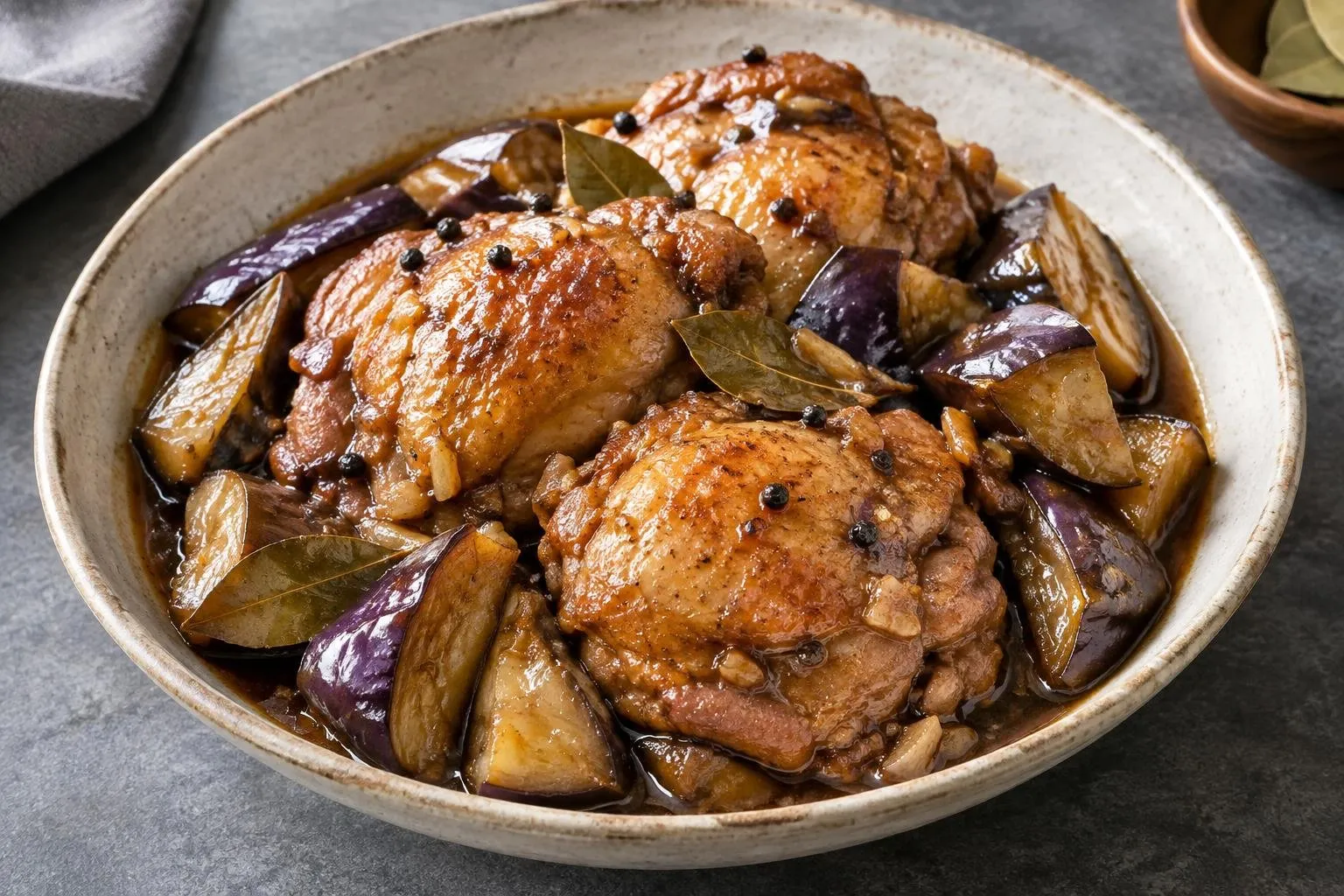
Chicken Adobo Braise with Seasonal Eggplant
◷ 75 minmedium
A traditional Filipino chicken adobo prepared as a braise, featuring seasonal eggplant and a savory blend of soy sauce, vinegar, garlic, and bay leaves. This comforting dish highlights a gentle poaching start before slow braising to tenderize the chicken and infuse deep flavors.
Jan 29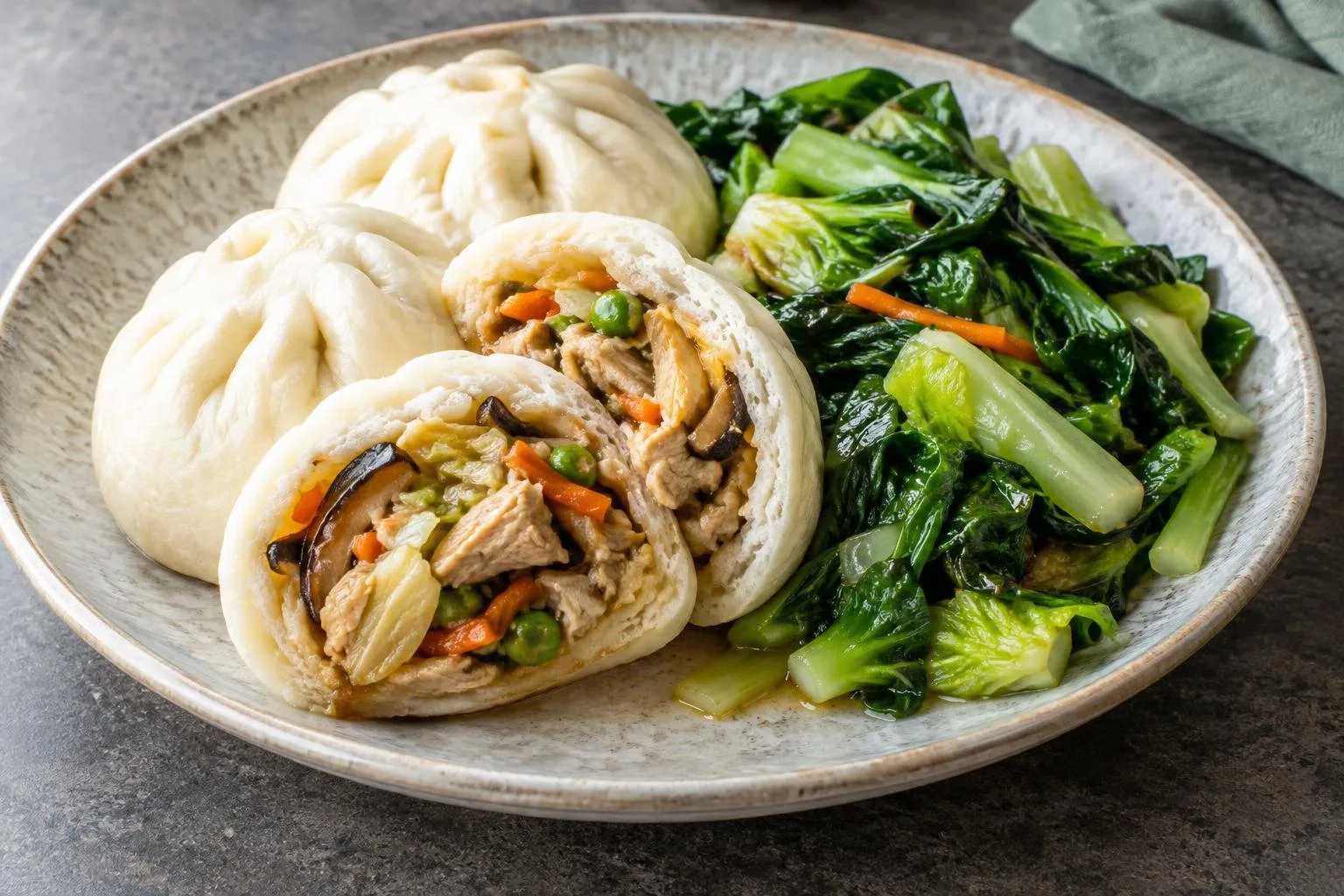
Chicken and Vegetable Siopao with Seasonal Greens
◷ 90 minmedium
A Filipino-inspired recipe featuring tender poached chicken wrapped in soft steamed siopao dumplings filled with a medley of seasonal vegetables and classic Asian seasonings. Served alongside sautéed seasonal greens for a balanced weeknight meal.
Jan 27