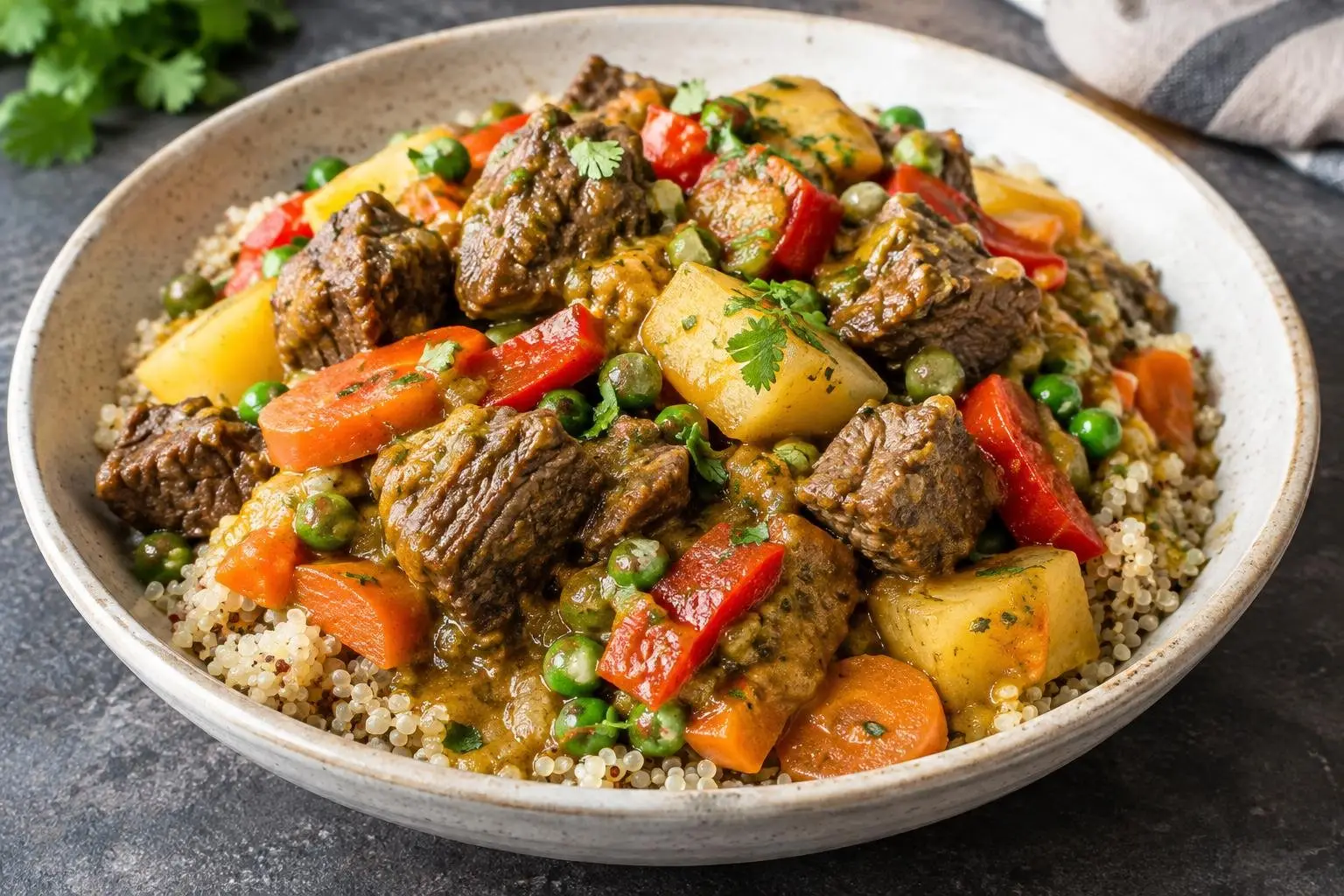
Peruvian Slow-Braised Beef Seco With Seasonal Vegetables
A comforting Peruvian slow-braised beef seco featuring tender beef chunks simmered with fresh seasonal vegetables and traditional spices, served over fluffy quinoa or rice for a hearty weeknight meal.
Advert
Let’s get cooking.
Cook mode
Scale servings, tick off ingredients, and run step timers without losing your place.
Servings
Originally developed for 4 servings.
Ingredient checklist
Method
- No timer neededPat the beef cubes dry with paper towels to ensure a good sear. Heat the vegetable oil in a large heavy-bottomed pot or Dutch oven over medium-high heat.
- 07:00Add the beef cubes in batches and brown them on all sides until deeply caramelized, about 5-7 minutes per batch. Remove browned beef and set aside.
- 05:00Reduce heat to medium, add the chopped onion to the same pot and cook until softened and translucent, about 5 minutes.
- 02:00Add the minced garlic, aji amarillo paste, and ground cumin. Stir continuously for about 1-2 minutes until fragrant.
- No timer neededReturn the beef to the pot and stir to coat it thoroughly with the spice mixture.
- No timer neededAdd the sliced carrots, chopped bell pepper, cubed potatoes, peas, beef broth, and white wine (if using). Season with salt and pepper. Stir to combine.
- 120:00Bring the liquid to a simmer, then reduce heat to low. Cover the pot partially with a lid and let it slow-braise gently for 2 to 2.5 hours, stirring occasionally, until the beef is very tender and the sauce is thickened.
- No timer neededCheck seasoning and adjust salt and pepper as needed. Stir in chopped fresh cilantro just before serving.
- No timer neededServe the beef seco hot over a bed of cooked quinoa or rice, garnished with lime wedges for a fresh citrus burst.
Chef tips
- Dry the beef well before browning to develop a rich, deep flavor.
- If aji amarillo paste is unavailable, a combination of mild chili paste and turmeric makes a suitable substitute.
- Adjust the choice of seasonal vegetables based on availability and preference.
- When slow braising, keep the heat low to avoid toughening the beef and encourage breakdown of connective tissue.
- Leftovers taste even better the next day as the flavors meld; store properly in airtight containers in the fridge or freezer.
Equipment check
- large heavy-bottomed pot or Dutch oven
- wooden spoon
- knife
- cutting board
- measuring spoons
- measuring cup
Nutrition per serving
- Calories550
- Protein45 g
- Carbs35 g
- Fat18 g
Tags
Behind the dish.
Overview
This Peruvian Slow-Braised Beef Seco is a deliciously rich and comforting dish where tender beef chunks are simmered slowly with a blend of traditional Peruvian spices and fresh seasonal vegetables. The slow braising process ensures melt-in-your-mouth beef infused with robust flavors. Traditionally served over fluffy quinoa or rice, it makes a hearty and satisfying weeknight meal that brings a taste of Peru to your table.
Why you’ll love it
- Rich, complex flavors from an authentic Peruvian spice blend.
- Slow braising yields perfectly tender, flavorful beef.
- Incorporates fresh seasonal vegetables for color, nutrients, and texture.
- Versatile serving with quinoa or rice for gluten-free or traditional options.
- Ideal for batch cooking and delicious next-day leftovers.
Ingredient notes
- Beef chuck: A well-marbled cut, ideal for slow braising as it becomes tender and juicy.
- Peruvian spices: Cumin, aji amarillo paste or powder, and fresh cilantro create authentic flavor. If aji amarillo is unavailable, substitute with mild chili paste and turmeric.
- Seasonal vegetables: You can adjust depending on availability — common choices include bell peppers, carrots, peas, and potatoes.
- Quinoa or rice: Both work well; quinoa adds a nutty flavor and extra protein, while rice is traditional.
Serving & storage
Serve the beef seco hot over cooked quinoa or rice, garnished with fresh herbs or lime wedges for brightness. Store leftovers in an airtight container in the refrigerator for up to 3 days. Reheat gently over low heat, adding a splash of water or broth if necessary. This dish also freezes well for up to 3 months; thaw overnight in the fridge before reheating.
Related recipes
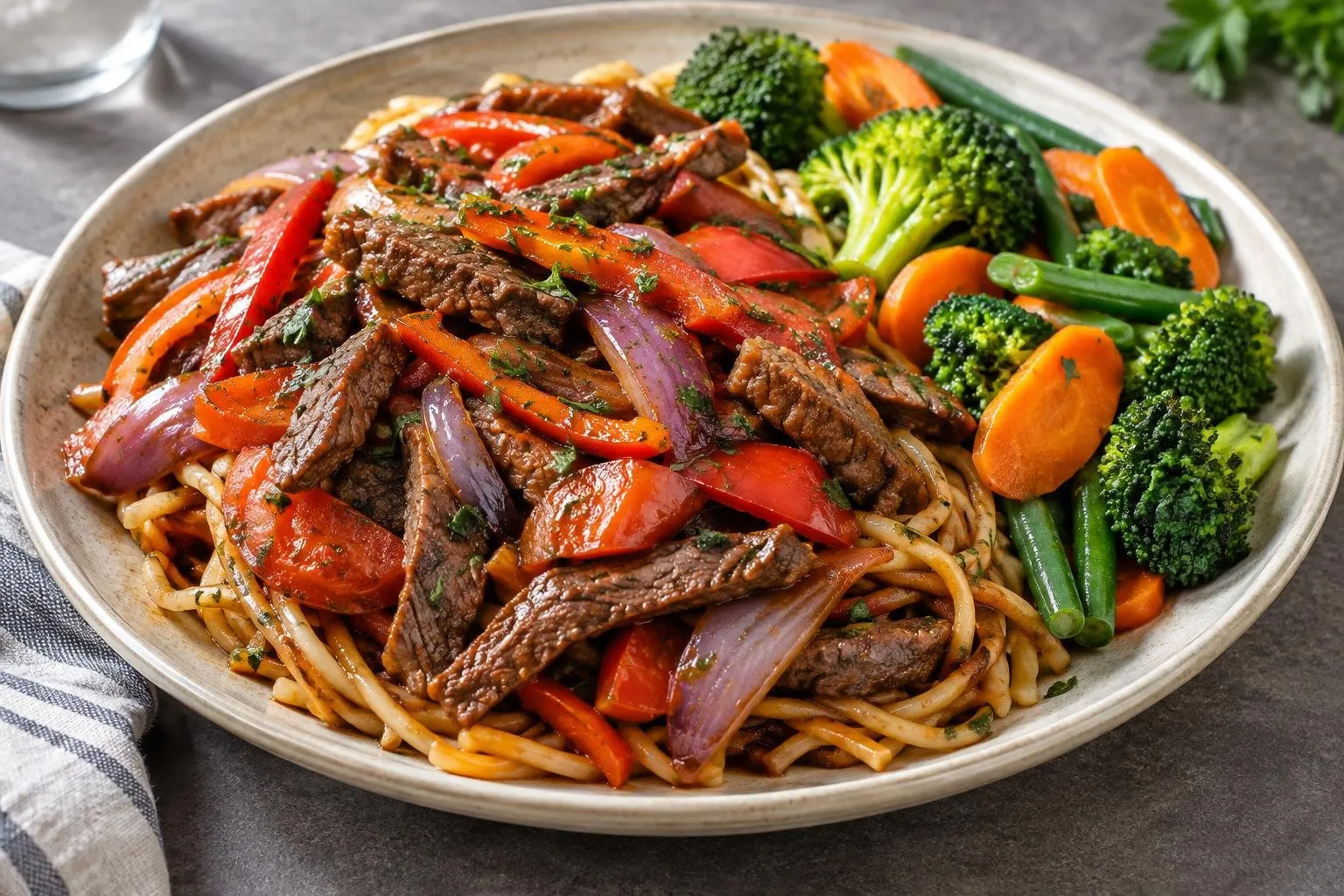
Peruvian Tallarín Saltado with Steamed Vegetables
◷ 30 minmedium
A vibrant Peruvian stir-fry featuring tender strips of beef sautéed with bell peppers, onions, and tomatoes, served alongside a medley of steamed seasonal vegetables. This dish celebrates traditional flavors through a quick stir-frying technique complemented by gentle steaming to preserve the freshness and nutrients of the produce.
Jan 31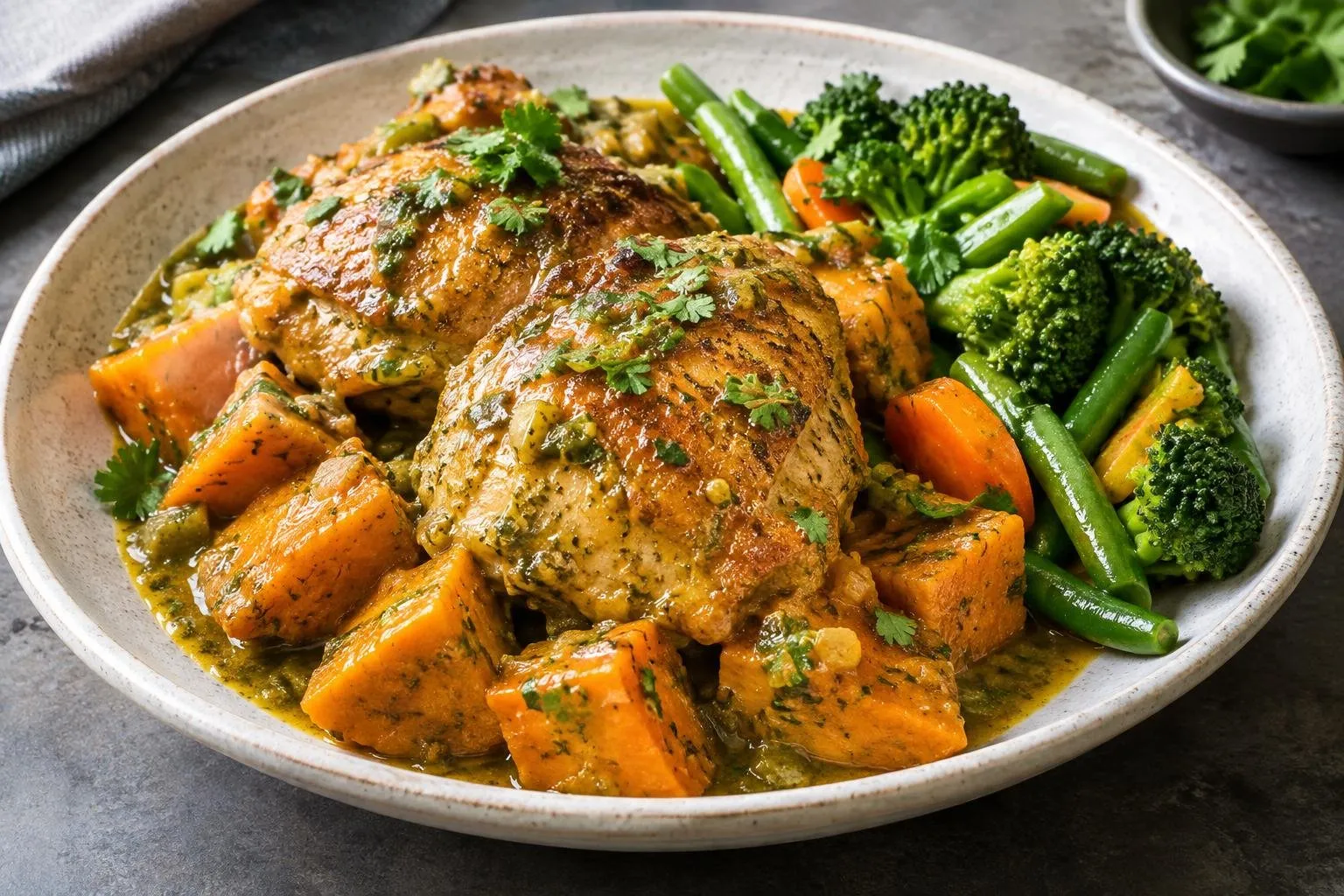
Peruvian Braised Chicken with Sweet Potato and Aji Verde
◷ 80 minmedium
A comforting Peruvian-inspired braised chicken dish featuring tender chicken thighs slow-cooked with sweet potatoes and a vibrant aji verde sauce made from fresh herbs and peppers. Served with steamed vegetables to complement the rich flavors, this recipe embraces traditional techniques with seasonal produce for a satisfying weeknight meal.
Jan 29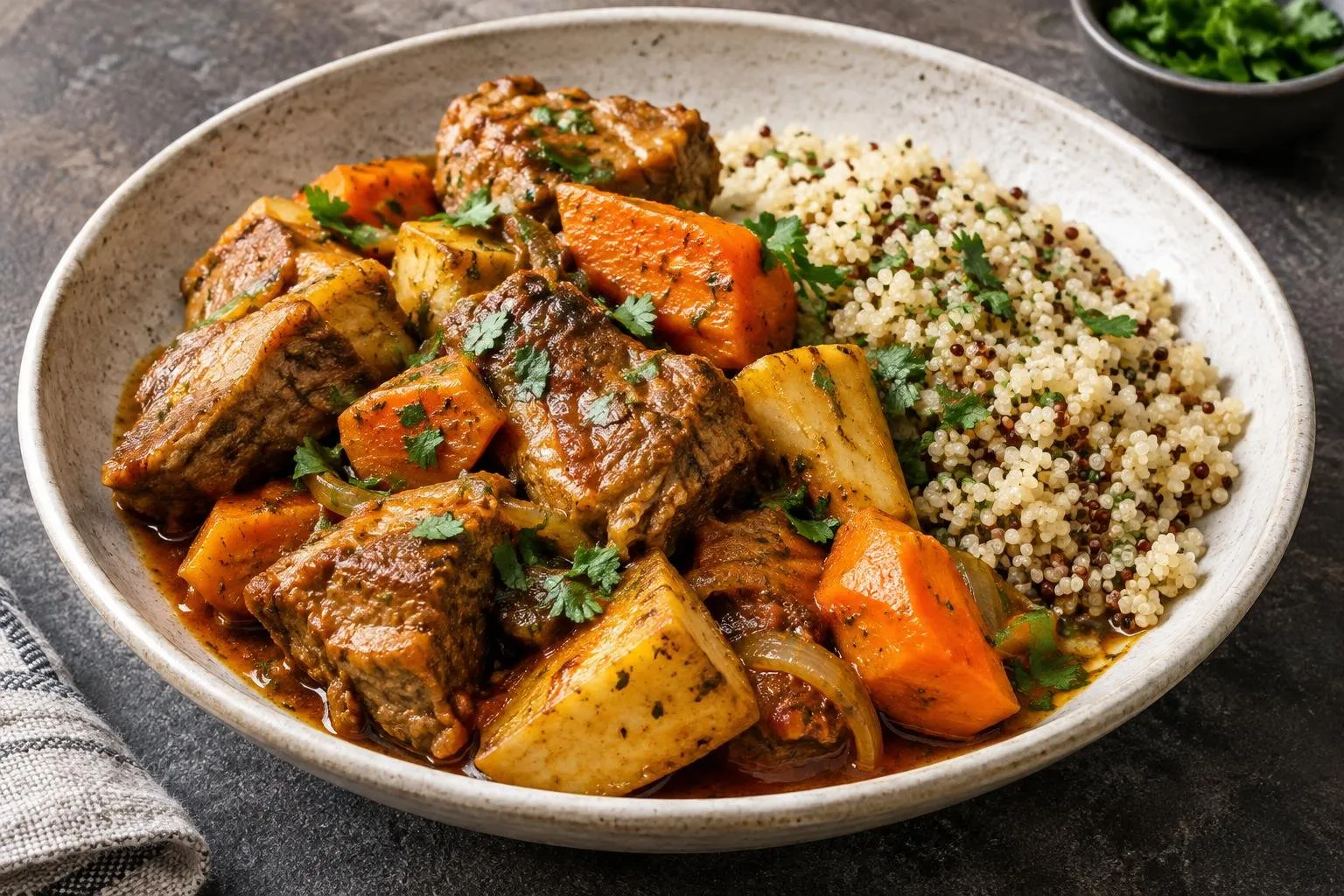
Pressure-Cooked Peruvian Adobo with Root Vegetables
◷ 90 minmedium
A comforting Peruvian adobo slow-braised and finished under pressure, featuring marinated pork shoulder with seasonal root vegetables like carrots and parsnips, infused with traditional spices and served with a side of simple quinoa to keep it light yet satisfying.
Jan 28