Crêpes with Lemon and Sugar
Thin, tender French crêpes with golden mottling, lightly crisp edges and a bright lemon-and-sugar finish. Makes 8 crêpes, serving 4 as a light breakfast.

Advert
Let’s get cooking.
Cook mode
Scale servings, tick off ingredients, and run step timers without losing your place.
Servings
Originally developed for 4 servings.
Ingredient checklist
Method
- No timer needed
Gently melt the 20 g batter butter in a small saucepan, then take off the heat to cool until lukewarm. Meanwhile, put the flour and salt in a bowl, make a well and add the eggs. Whisk from the centre, gradually adding the 300 ml milk until smooth. Whisk in the lukewarm butter. If any lumps remain, pass the batter through a sieve. Do not taste the uncooked batter.
- 30:00
Cover the batter and rest for 30 minutes at room temperature. While it rests, squeeze and measure 40 ml lemon juice and cut the remaining fruit into serving wedges. Set out the serving plates, keeping them and the lemon separate from raw batter and its utensils.
- No timer needed
During the final 3 minutes of resting, preheat the frying pan over medium heat. Stir the rested batter: it should pour like single cream rather than fall in thick ribbons. If necessary, stir in the reserved extra milk 15 ml at a time, up to 30 ml.
- 01:30
Use a small piece of the separate 10 g pan butter to grease the hot pan, spreading it into a very thin film with the brush; reserve the rest for subsequent crêpes. It should foam gently, not smoke. Lift the pan off the heat, pour in roughly one-eighth of the batter—about 60–65 ml—and immediately tilt and rotate to coat the base. Return to medium heat and cook for 60–90 seconds, until the surface has set, the edges lift and the underside has golden mottling. Loosen, turn and cook for 20–40 seconds more, until fully set with no wet batter remaining. Transfer to a plate and cover loosely with a clean tea towel.
- 01:30
Repeat with the remaining batter to make 8 crêpes in total, lightly greasing only as needed and stirring the batter briefly if it settles. Allow about 3 minutes per crêpe, including pouring, turning and transferring. Stack and cover loosely as they cook. Reduce the heat if the butter darkens immediately or the batter sets before you can swirl it; let a tearing crêpe set a little longer before turning.
- No timer needed
Just before serving, sprinkle each crêpe with 4 g sugar and drizzle with 5 ml of the prepared lemon juice. Fold into quarters and serve two per person with the lemon wedges. The stacked crêpes will have softer edges than those served straight from the pan.
Chef tips
- Treat the first crêpe as a heat-and-portion check. If it is too thick, use slightly less batter or add the reserved milk only if the batter is genuinely thick.
- If the underside browns before the surface sets, lower the heat and briefly lift the pan away from the hob.
- For sticking, check that the non-stick surface is intact and the pan is preheated. Use a thin butter film rather than a puddle, which produces greasy patches.
- If butter smokes, take the pan off the heat, let it cool briefly and carefully remove the dark butter before continuing.
- Crêpes that tear usually need a little longer on their first side; loosen the edges before sliding the spatula underneath.
Equipment check
- 24 cm non-stick frying pan or crêpe pan with a flat base approximately 21–22 cm across
- Small saucepan
- Mixing bowl, at least 1.5 litres
- Whisk
- Scales and measuring jug
- Thin heat-resistant spatula
- Heat-resistant pastry brush
- Citrus juicer
- Plate and clean tea towel for holding cooked crêpes
Nutrition per serving
- Calories285
- Protein9 g
- Carbs36 g
- Fat12 g
Tags
Behind the dish.
Overview
These crêpes should have tender, flexible centres and delicate golden mottling. Resting hydrates the flour; a pourable batter and an immediate swirl around the pan keep each crêpe thin. Granulated sugar supplies a little crunch against the fresh lemon juice.
Ingredient notes
Use plain flour, not self-raising flour: these pancakes should be thin and unraised. Whole or semi-skimmed milk both work. The extra milk is only for adjusting the rested batter. Caster sugar can replace granulated sugar, but gives less crunch.
A 24 cm frying pan with a flat base about 21–22 cm across gives the intended yield. A wider cooking surface needs more batter per crêpe. Contains wheat (gluten), eggs and milk; suitable for vegetarians.
Serving & storage
Serve two crêpes per person. Stacking them keeps them warm but softens their edges; for crisper edges, finish and serve each one as it leaves the pan instead. Add lemon and sugar only just before eating.
Cool leftover unfilled crêpes promptly, separate with baking parchment and refrigerate in a covered container within 2 hours, at 5°C or colder. Use within 48 hours or freeze sooner. Thaw in the fridge and reheat only once in a frying pan until steaming hot throughout, then add fresh lemon and sugar. If making batter ahead, refrigerate promptly, covered, and use within 24 hours.
Related recipes

Tarragon mustard chicken with white beans
◷ 50 mineasy
Golden chicken thighs and creamy white beans in a light Dijon, white wine and fresh-tarragon pan sauce, finished with a little butter rather than cream. Allow about 50 minutes; batch searing or thicker thighs will take longer.
Oct 12
Quiche Lorraine with a Crisp Pastry Crust
◷ 172 minmedium
A crisp, homemade shortcrust shell filled with smoky bacon and tender egg-and-cream custard, without cheese or onion. Allow about 3 hours, including chilling and resting; additional chilling or baking may extend this.
Oct 4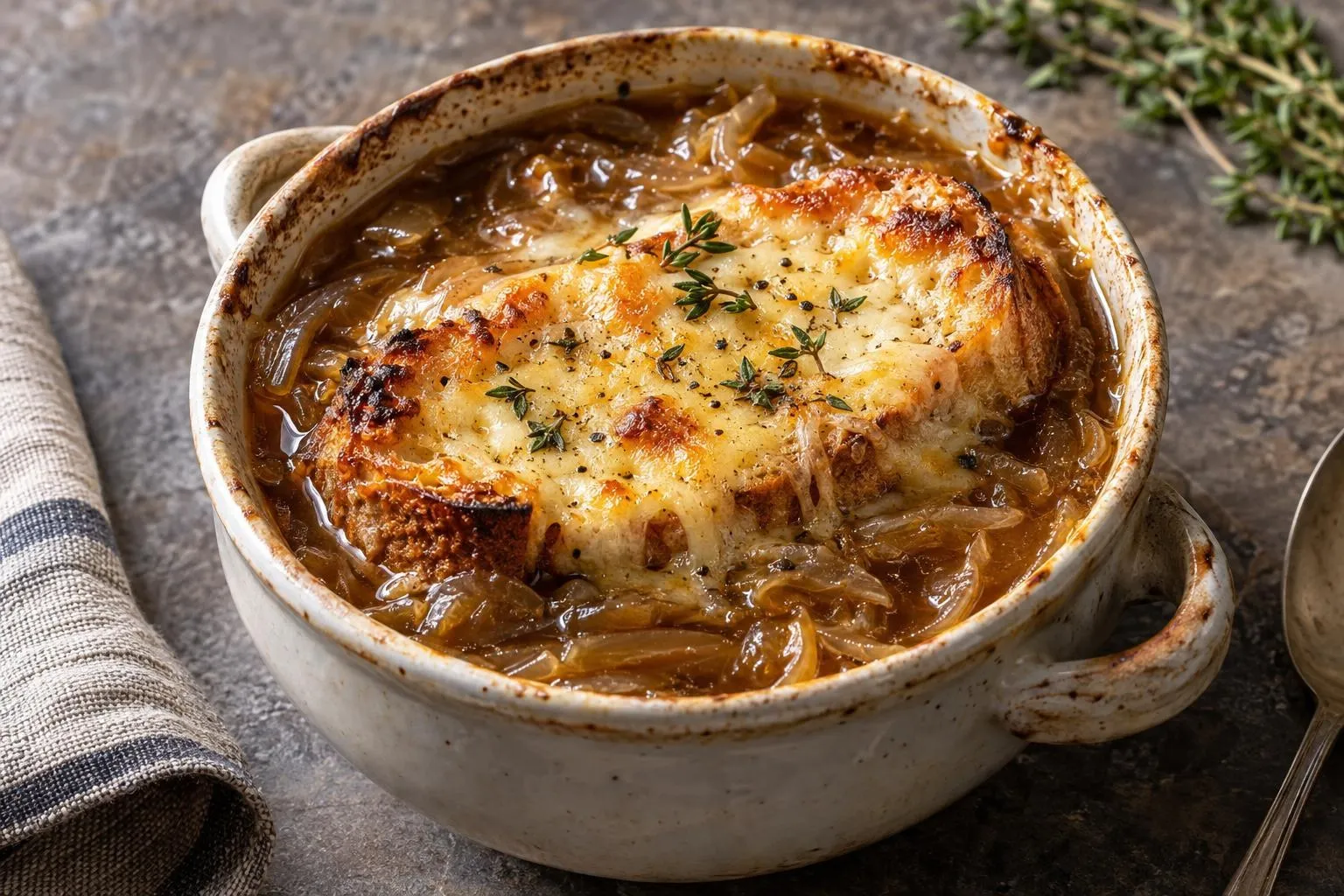
French onion soup
◷ 120 minmedium
Deeply caramelised onions simmer in beef stock and dry white wine, then are topped with toasted baguette and bubbling Gruyère. Allow about 2 hours for this richly savoury soup.
Oct 2