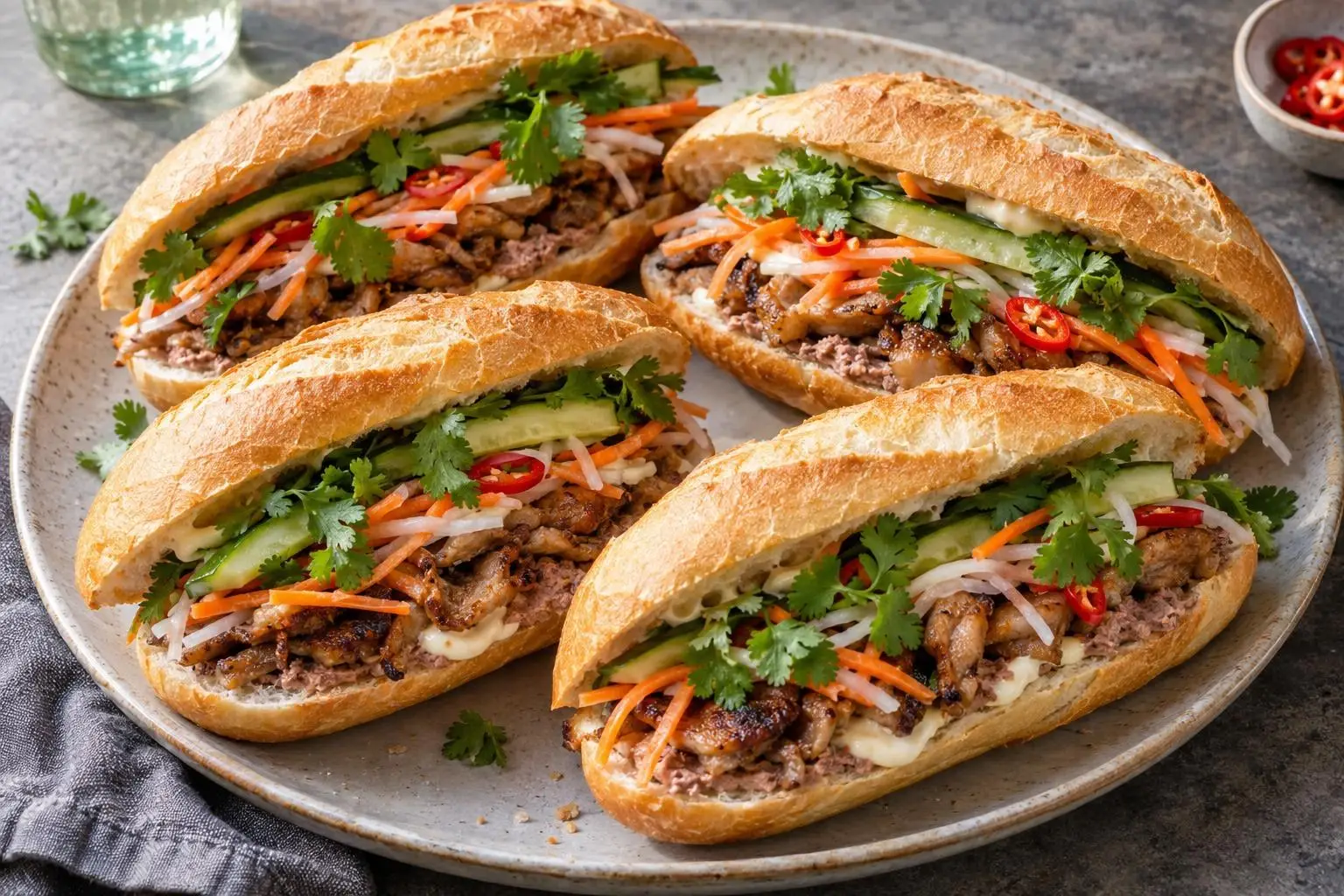
Bánh mì with lemongrass pork
Light, crisp baguettes filled with browned lemongrass pork, pâté and mayonnaise, balanced by sharp-sweet carrot and daikon pickles, cucumber, coriander and fresh chilli.
Advert
Let’s get cooking.
Cook mode
Scale servings, tick off ingredients, and run step timers without losing your place.
Servings
Originally developed for 4 servings.
Ingredient checklist
Method
- 30:00
Trim and slice the pork as specified, using a raw-meat board. Prepare the lemongrass and garlic, then mix with the fish sauce, light soy sauce, 15 g marinade sugar, 10 ml marinade oil and pepper. Add the pork, coat thoroughly, cover and refrigerate for 30 minutes. Wash your hands and clean the raw-meat utensils and surfaces before preparing the vegetables or bread.
- 30:00
While the pork marinates, peel and cut the carrot and daikon into 2–3 mm matchsticks. In a non-reactive bowl, stir the vinegar, water, 25 g pickle sugar and salt until dissolved. Add the vegetables and toss well. Leave for at least 30 minutes before draining, tossing twice during that time; the vegetables need not be completely submerged.
- No timer needed
Using clean utensils, slice the cucumber and chilli, then wash and dry the coriander. Keep these and the spreads chilled until needed. Set out a clean cooked-pork plate and two separate pairs of tongs: one for loading and turning raw or partly cooked pork, and one kept clean for transferring fully cooked pork. Rest the raw-use tongs on their own dish, never on the cooked-pork plate or clean board.
Near the end of the marinade, preheat the oven to 200°C conventional / 180°C fan. Once the pork has marinated for 30 minutes, heat the frying pan over medium-high heat for about 2 minutes.
- No timer needed
Add 5 ml frying oil to the hot pan. Using the raw-use tongs, lift one-third of the pork from the marinade, let excess liquid drip off and arrange in a single layer with small gaps. Cook for approximately 5–7 minutes per batch, turning with the raw-use tongs after about 2½ minutes. Lower the heat if the sugary coating darkens rapidly. Do not pour raw marinade into the pan.
The surfaces should brown and the meat remain juicy. Verify that the centre of the thickest pieces reaches 75°C for 30 seconds, inserting a clean thin-tip thermometer sideways. Colour alone is not a safety check. Clean the probe between checks, especially after probing undercooked meat. Only after verifying doneness, use the separate clean tongs to transfer the pork to the clean plate; cover loosely. Do not use those tongs to turn partly cooked meat.
Repeat twice, using 5 ml oil for each remaining batch. If needed, carefully wipe blackened residue from the pan with kitchen paper held in the raw-use tongs before loading the next batch. During the final batch, warm the bread and drain the pickles as below. After transferring the final cooked batch, discard the leftover raw marinade, put the raw-use tongs and bowl aside for washing, and wash your hands and clean any contaminated surfaces before assembling.
- 04:30
Once the final pork batch is in the pan, put the baguettes on the baking tray and warm in the preheated oven for 4–6 minutes, checking after 4½ minutes: the crust should be crisp but the crumb still soft. Turn and check the pork as directed above. While its second side cooks, drain the pickles thoroughly in a sieve. Remove the bread when ready; do not leave it in the oven to harden. Keep bread and drained pickles away from the raw-use utensils.
- No timer needed
Once all the pork is cooked and the raw-meat cleanup is complete, split each baguette on the clean board without cutting through its hinge. Spread each with 25 g pâté and 15 g mayonnaise. Using the clean cooked-pork tongs, divide the pork between the baguettes, then add equal portions of drained pickles, cucumber, coriander and chilli. Keep excess pickle brine and collected pork juices out of the bread. Serve immediately.
Chef tips
- A 28 cm pan should hold about 200 g sliced pork in one uncrowded layer. If yours cannot, use more batches and allow extra cooking time rather than stacking the meat.
- If the pork releases a pool of liquid, the pan is crowded or the marinade was insufficiently drained. Let the liquid evaporate, then reduce the next batch size.
- If the coating blackens before the pork is cooked, lower the heat and continue to the stated safe endpoint. Remove burnt residue between batches so it does not flavour the next batch.
- Use only the tender lemongrass core: coarse pieces of woody stalk stay fibrous after cooking.
- Keep raw-use tongs separate throughout cooking. Clean cooked-pork tongs must touch only pork that has passed its temperature check, never raw or partly cooked pieces.
- Drain the pickles well, dry the herbs and leave collected pork juices on the plate rather than pouring them into the sandwiches.
Equipment check
- 28 cm heavy frying pan
- Thin-tip digital food thermometer
- Non-reactive bowl of at least 1.5 litres for the pickles
- Bowl and cover for marinating the pork
- Separate raw-meat and ready-to-eat chopping boards
- Sharp knife and fine grater
- One pair of tongs reserved for loading and turning raw or partly cooked pork, with a separate resting dish
- A second, clean pair of tongs reserved for transferring fully cooked pork and assembling sandwiches
- Clean plate and foil for cooked pork
- Baking tray large enough for four baguettes without stacking
- Sieve
- Kitchen paper for removing burnt pan residue
Tags
Behind the dish.
Overview
This bánh mì balances juicy, browned pork and creamy spreads with crunchy, sharp-sweet vegetables. Thinly slice the pork across the grain and sear it in three uncrowded batches for browned edges. Drain the pickles thoroughly and assemble just before eating to keep the bread crisp.
Ingredient notes
Choose light, thin-crusted baguettes rather than dense artisan bread. Use ordinary fish sauce and light soy sauce, not concentrated seasoning sauces or dark soy sauce; no extra salt is needed in the pork. Remove the woody outer layers of the lemongrass and mince only the tender core.
If daikon is unavailable, replace it with another 200 g peeled carrot. White wine vinegar labelled approximately 5% acidity can replace the rice vinegar, although it tastes sharper and may contain sulphites: check the chosen product's label. Use commercially prepared, ready-to-eat pâté and mayonnaise, following their use-by and opened-storage instructions.
Allergens: fish sauce contains fish; soy sauce contains soya and usually wheat; baguettes contain wheat; mayonnaise contains egg and may contain mustard. Pâté may contain milk, egg, wheat or celery. White wine vinegar, if used instead of rice vinegar, may contain sulphites. Check all product and substitution labels; tamari alone does not make this sandwich gluten-free.
Serving & storage
Serve immediately, with warm pork and crisp bread. Assemble only the sandwiches being eaten and store remaining components separately. Cool leftover cooked pork promptly in shallow portions and refrigerate within 2 hours at 5°C or colder. Use refrigerated leftovers within 48 hours, following any shorter limit on the pâté or mayonnaise packaging. Refrigerate leftover quick pickles promptly and use within 48 hours; they are not shelf-stable.
Freeze cooked pork sooner if needed, thaw in the fridge and reheat only once until steaming hot throughout. Keep cucumber, herbs and spreads chilled until needed; freshly warmed bread gives the best texture.
Related recipes
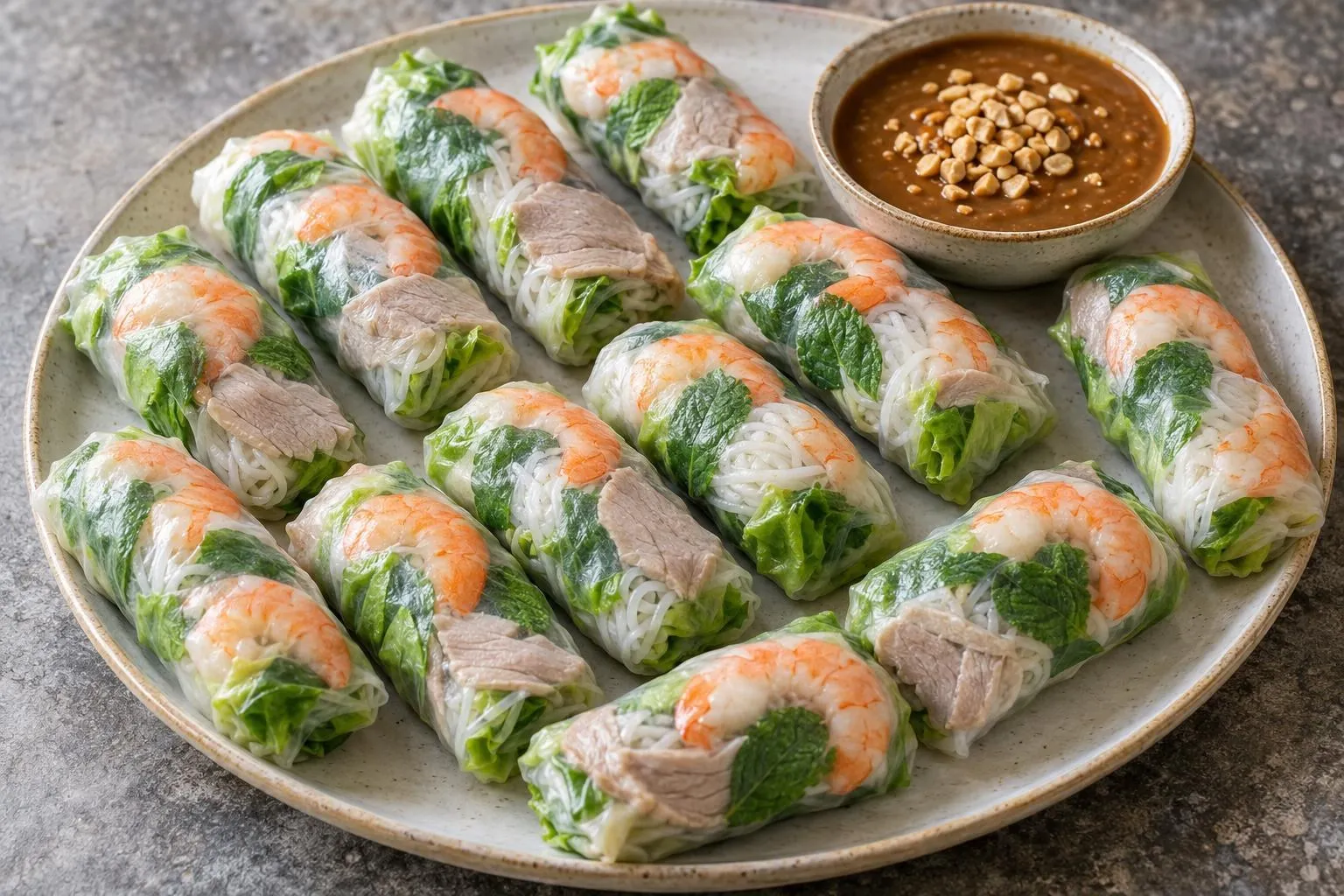
Vietnamese fresh spring rolls with peanut sauce
◷ 89 minmedium
Tender pork, juicy prawns, rice vermicelli, crisp lettuce and mint wrapped in supple rice paper, with a creamy hoisin-peanut dipping sauce. Makes 12 rolls, serving 6 as a starter or side.
Oct 18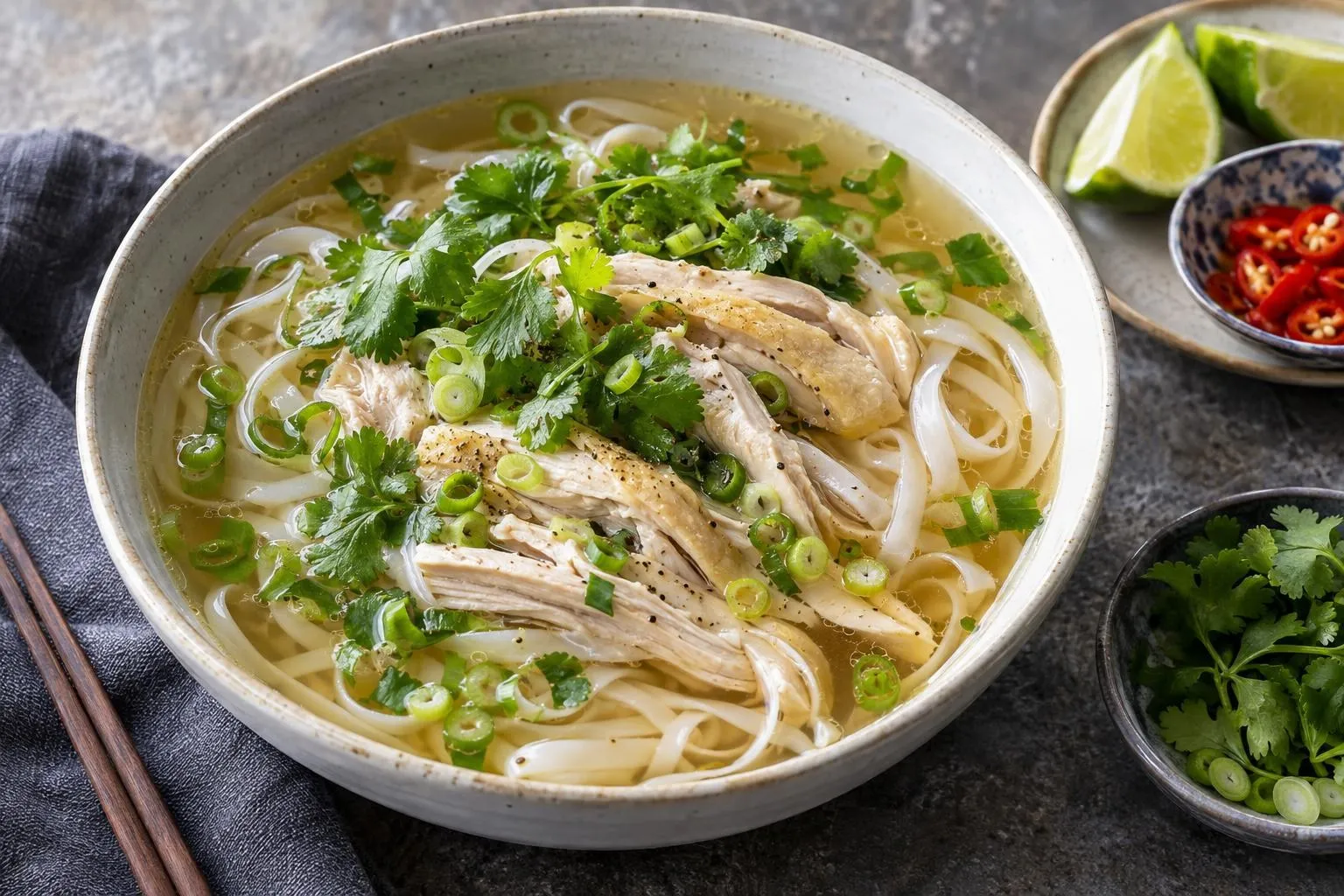
Pho ga with charred ginger and onion
◷ 144 minmedium
Vietnamese chicken noodle soup with tender poached chicken, flat rice noodles and a clear, golden broth scented with charred ginger, onion and restrained toasted spices. Finish with spring onions, coriander and lime. Allow about 2½ hours, with extra time possible depending on chicken doneness and noodle instructions.
Oct 14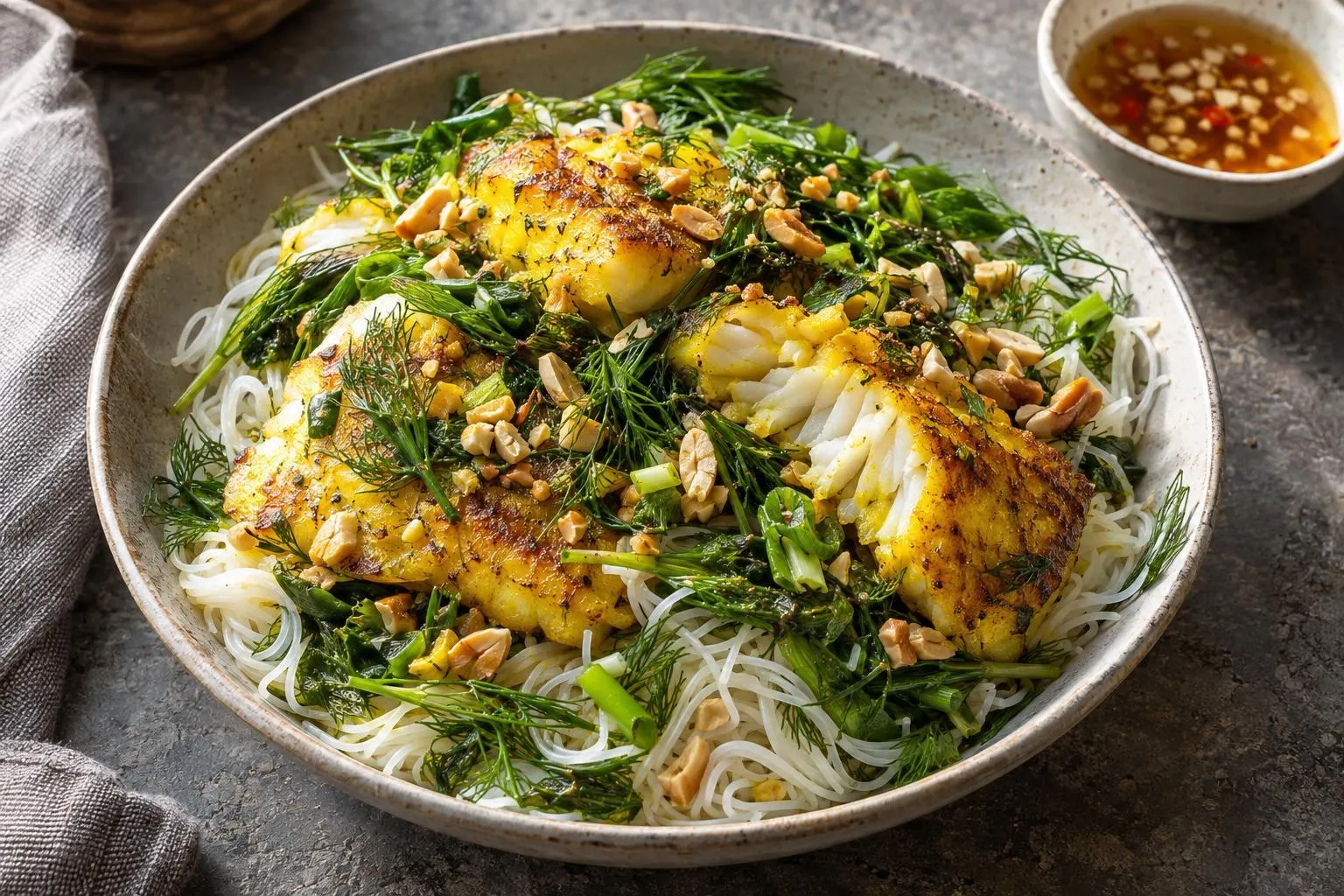
Turmeric fish with dill and rice noodles
◷ 55 minmedium
Golden, turmeric-marinated fish with a moist, flaky centre, generously wilted dill and spring onions, soft rice noodles, lime–fish sauce dressing and crunchy roasted peanuts.
Oct 7